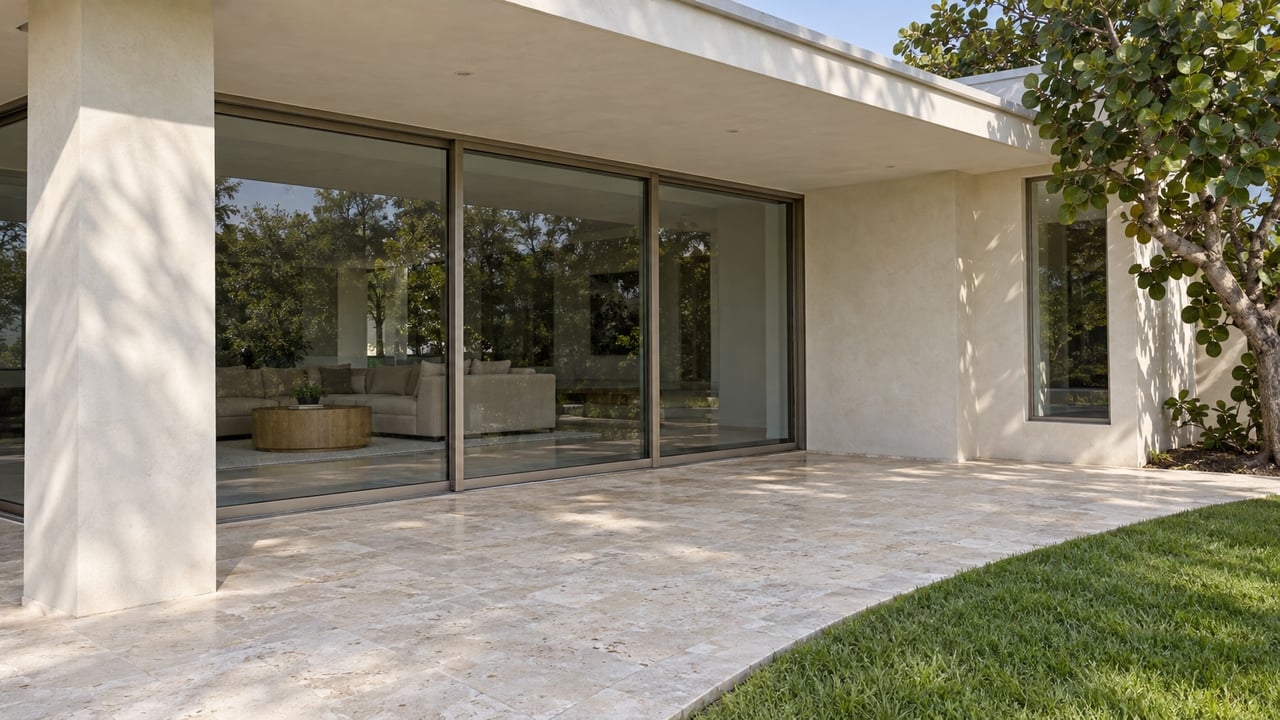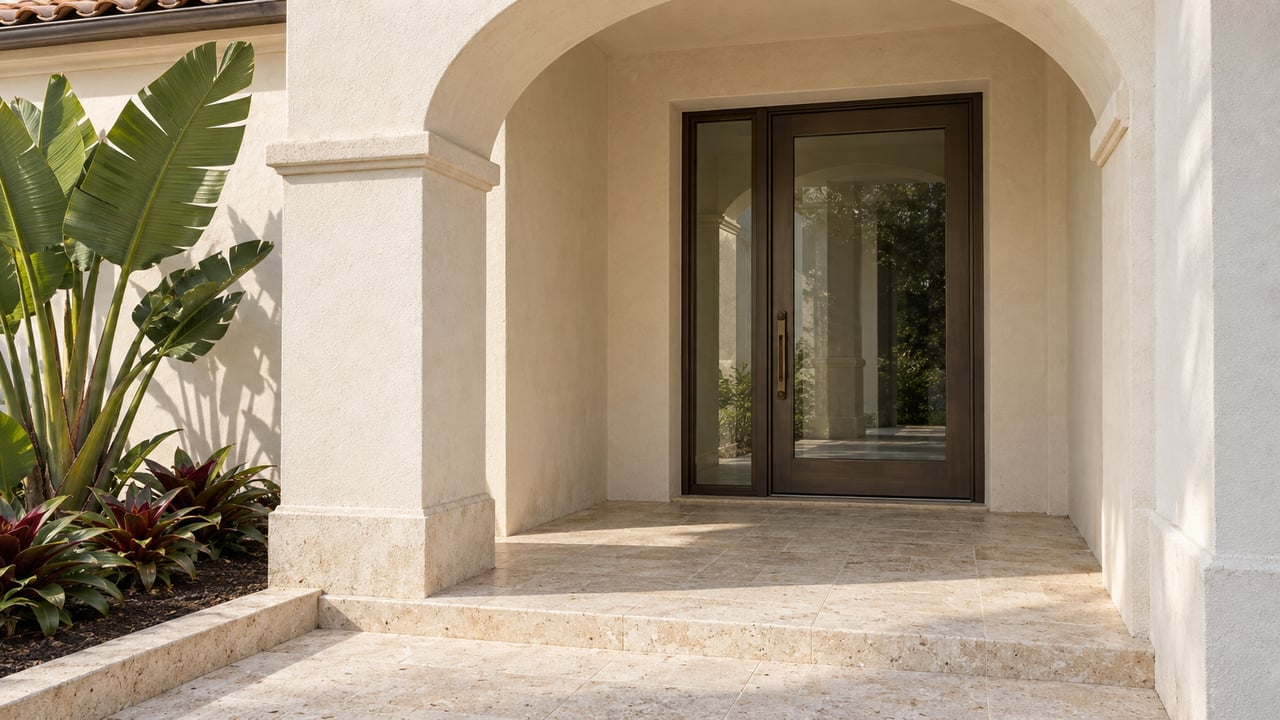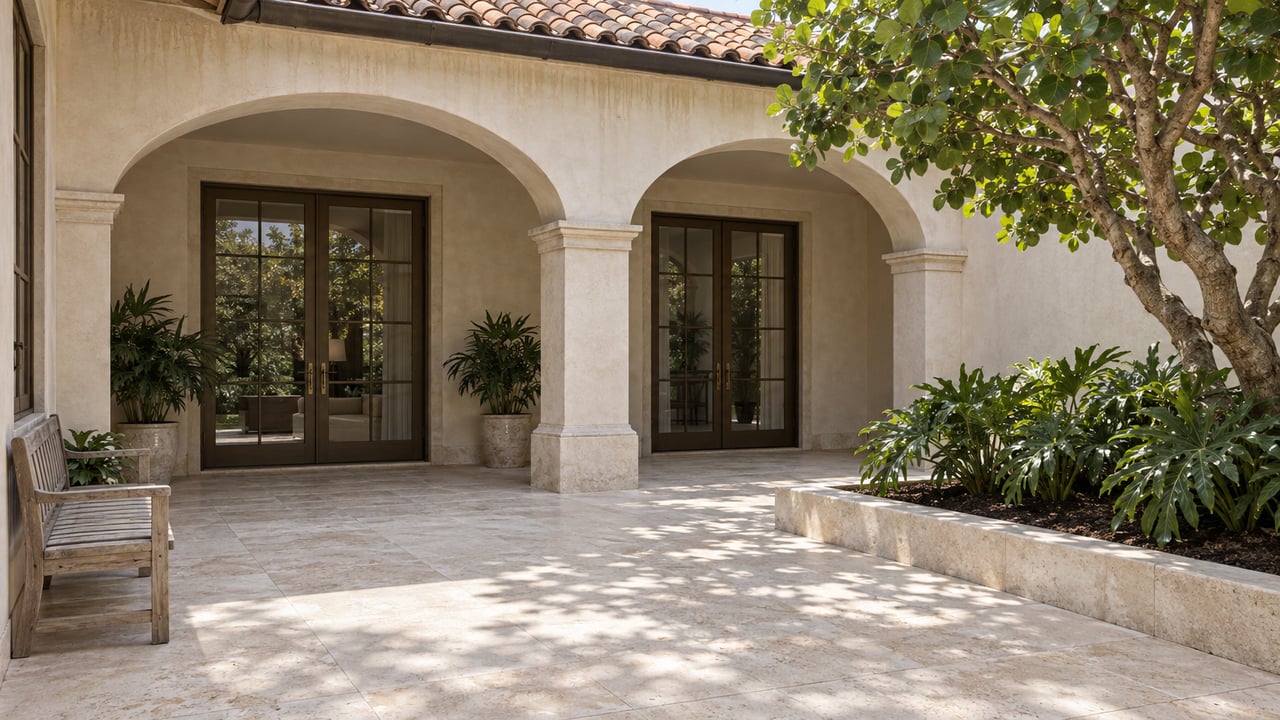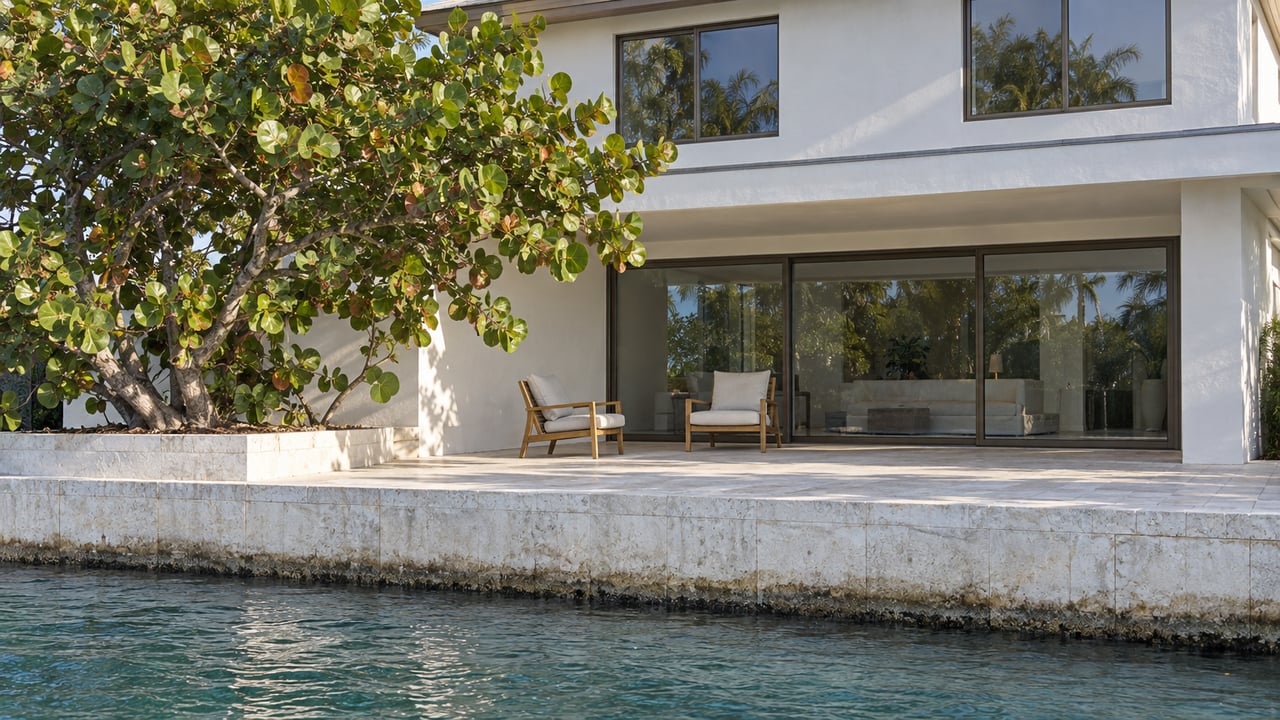
If you are preparing to sell a Palm Beach estate, the real challenge is rarely just listing the property. It is coordinating people, timing, privacy, and decision-making across a family office, legal team, and wealth advisors without losing momentum. In a market where high-end activity remains strong and discretion matters, a well-structured plan can protect both value and family priorities. Let’s dive in.
Why coordination matters in Palm Beach
Palm Beach is not a typical residential market, and estate sales at the highest price points come with added layers of complexity. In Palm Beach County, April 2026 total home sales rose 4.7% year over year, single-family sales rose 3.61%, and cash buyers represented 52.2% of closed sales. The median time from listing to contract for county single-family homes was 37 days.
That speed matters when your sale involves multiple advisors and approval layers. If your family office, trustee, counsel, and broker are not aligned before launch, even a strong market can feel harder to navigate than it needs to be. In Palm Beach, preparation is often what creates leverage.
The upper end has been especially active. In March 2026, Palm Beach County sales above $5 million increased 77.3% year over year. At the same time, Palm Beach Town continues to operate in a very different pricing tier, with a Q4 2025 median single-family sale price of $15.52 million.
That gap is important because countywide momentum does not mean every estate should be marketed the same way. Your strategy should reflect the specific property, your timeline, and the broader purpose behind the sale.
Start with authority and ownership
Before photography, pricing discussions, or buyer outreach, your first priority is confirming who has legal authority to act. That usually means identifying whether title is held by an individual, a trust, or an estate, and making sure the right documents are ready for review.
If the property is held in trust, Palm Beach County notes that the Property Appraiser does not need the full trust agreement and instead uses a Certificate of Trust to identify beneficial interest and occupancy rights. That small detail can make document gathering more efficient when your team is trying to move quickly.
This is also the stage to confirm signatory authority. Everyone involved should know who can approve pricing, disclosures, showing access, and final contract terms before the property enters the market.
Build your family office sale team early
The cleanest estate sale process usually starts with one coordinated table. In practical terms, that often includes the owner or trustee, estate counsel, tax advisor, wealth manager, title attorney, and broker.
When those parties align early, you can set clear boundaries around confidentiality, decision-making, and timing. That reduces delays later, especially when an offer arrives and multiple stakeholders need to respond quickly.
A strong coordination plan should define:
- Who has final approval on pricing and terms
- Who can speak with buyers and their representatives
- What information can be shared before formal diligence
- Whether the property will launch off-market, on-market, or in phases
- What target closing window best supports the family’s broader planning
For many family offices, the sale is not an isolated event. It may be tied to liquidity goals, portfolio simplification, or a larger estate transition. Those goals should shape the sale plan from day one.
Review tax and recording issues before launch
Luxury estate sales often move faster when the tax and title picture is clear upfront. In Florida, documentary stamp tax applies to deeds that transfer Florida real property. In Palm Beach County, the rate is 70 cents per $100 of consideration, and the tax is generally paid when the deed is recorded.
That recording step also matters for privacy planning. Palm Beach County states that deed paperwork is first recorded through the Clerk and then processed into ownership records, with the new owner’s name typically appearing on the Property Appraiser’s site within 1 to 3 weeks after recording.
In other words, a completed sale will usually create a public footprint. For high-profile owners, the realistic goal is not full invisibility. It is controlled visibility, limited information flow, and careful sequencing.
You should also review estate-related tax questions with your advisors early. Florida’s Department of Revenue states that estates of decedents who died after December 31, 2004 are no longer subject to Florida estate tax when no state death tax credit is allowable. The IRS states that the federal estate tax filing threshold for estates of decedents dying in 2026 is $15 million.
Understand homestead before you sell
If the property has a homestead exemption, do not treat that as an afterthought. Palm Beach County says ownership changes reset the assessed value to market value, and a sale or deed change can remove the exemption.
That means the tax profile tied to the property before closing may not carry forward after transfer. If the estate sale is part of a broader family or trust restructuring, your advisors should model that impact before launch rather than after contract.
Palm Beach County also notes that homestead applications must be eligible as of January 1 and filed by March 1 for that tax year. If the sale affects a primary residence plan elsewhere, those dates may matter more than expected.
Choose off-market or on-market carefully
For Palm Beach estate sales, marketing strategy should match the asset and the family’s priorities. A broad public launch can create scale and urgency, but it may also expose more information than a family office wants to share early in the process.
An off-market approach can be useful when discretion is the first priority, or when the family wants to test pricing and buyer fit before a wider launch. This is especially relevant in Palm Beach, where off-market transactions are not included in some regional luxury sales tables.
That exclusion matters for two reasons. First, public data may not tell the full story at the ultra-luxury tier. Second, a private market test can provide real-time feedback without immediately committing the property to a full public campaign.
Palm Beach Town’s pricing also supports a tailored approach. In Q1 2026, the single-family luxury threshold was reported at $34.9 million, and the ultra-luxury threshold at $36.9 million. In a market this rarefied, curated buyer outreach often matters more than broad exposure.
Create a showing and disclosure protocol
Once strategy is set, your family office should establish a clear showing protocol. This protects privacy, reduces confusion, and keeps everyone operating from the same playbook.
A practical protocol often covers:
- Advance notice requirements for showings
- Who approves appointments
- Whether proof of funds is required before access
- What materials are shared before an in-person visit
- How staff, household operations, or security logistics are handled
Disclosure timing matters too. Since public records and recording rules limit how private a completed transaction can be, discretion is often won or lost earlier, during the marketing and diligence stages. The more intentional your process, the better you can control how information moves.
Match timing to market conditions
Even for legacy properties, timing should be grounded in current market conditions rather than instinct alone. Palm Beach County remains a cash-heavy market with constrained inventory, and those conditions can support a well-positioned sale.
At the same time, Palm Beach Town itself recorded 105 active single-family listings and 16.2 months of supply in Q4 2025. That is a reminder that the island operates on its own rhythm, with a much higher price band and a more selective buyer pool.
For your family office, the key is balancing urgency with precision. If liquidity or estate planning goals suggest a near-term sale, the market may support decisive action. If the objective is maximum fit and controlled exposure, a phased strategy may be more effective.
A practical estate sale workflow
When a Palm Beach estate sale is handled well, the process tends to follow a disciplined sequence. That structure helps your advisors work together without duplicating effort or creating avoidable delays.
A practical workflow often looks like this:
- Confirm ownership structure and authority to sell
- Gather title, trust, estate, and tax-related documents
- Review homestead status and any likely post-sale changes
- Set confidentiality boundaries and communication rules
- Choose off-market, on-market, or phased positioning
- Approve pricing strategy and showing protocol
- Manage contract negotiations and closing coordination
- Coordinate post-close recording and any homestead or address updates
The value of this workflow is not just efficiency. It helps keep the sale aligned with the family’s broader goals, whether that means simplifying holdings, preserving discretion, or planning for the next chapter.
Stewardship matters more than speed alone
In Palm Beach, estate sales often involve more than a transfer of title. They can mark a transition in family planning, portfolio structure, or long-term stewardship.
That is why the best outcomes usually come from thoughtful coordination rather than reactive decision-making. When your family office, advisors, and brokerage team are aligned from the outset, you are better positioned to protect value, manage confidentiality, and move with confidence in a complex market.
If you are considering the sale of a Palm Beach estate and want a discreet, advisory-first process, Palm Beach Luxury Portfolio Group can help you coordinate the strategy, timing, and market positioning with care.
FAQs
How should a family office start a Palm Beach estate sale process?
- Start by confirming ownership, legal authority to sell, key tax considerations, and decision-making roles before any public or private marketing begins.
Can a Palm Beach estate sale stay completely private?
- No. In Palm Beach County, recorded deed transfers and property records typically create a public footprint, so the practical goal is controlled visibility rather than full privacy.
Does selling a homesteaded Palm Beach property affect taxes?
- Usually yes. Palm Beach County says ownership changes reset assessed value to market value and may remove the homestead exemption.
Why does Palm Beach market timing matter for an estate sale?
- Market timing affects pricing, buyer liquidity, and negotiation leverage. In 2026, Palm Beach County has shown strong cash-buyer activity and solid high-end sales momentum.
Should a Palm Beach estate be marketed off-market or on-market?
- It depends on your priorities. Off-market can support discretion and pricing tests, while on-market can broaden exposure when the objective is maximum reach.
What professionals should be involved in a Palm Beach estate sale?
- A coordinated team often includes the owner or trustee, estate counsel, tax advisor, wealth manager, title attorney, and broker.