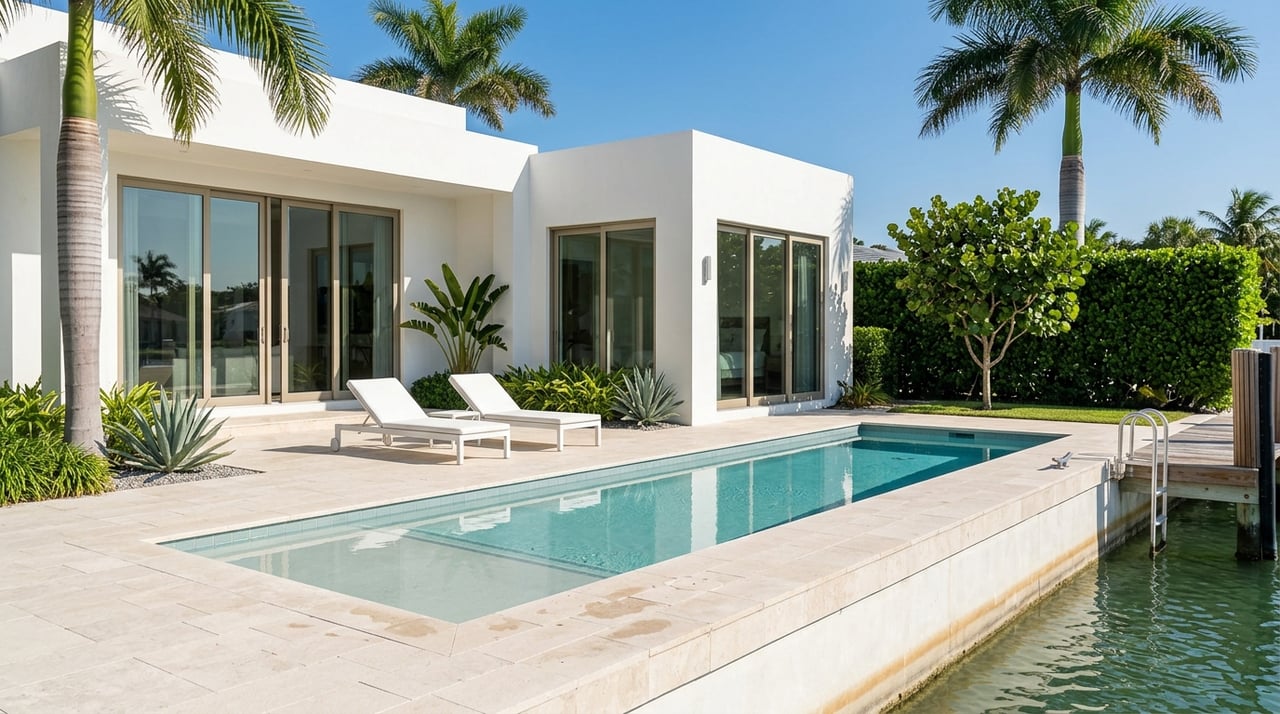
If you are weighing oceanfront against Intracoastal on Jupiter Island, you are not just choosing a view. You are choosing how the property will live day to day, what kind of upkeep it will require, and which waterfront experience best matches your routine. For many buyers, the decision comes down to a simple question: do you want to be beach-first or boat-first? Let’s look at how each side of Jupiter Island tends to function so you can make a more informed choice.
Why the setting matters
Jupiter Island is a barrier island on the south end of Martin County, with about nine miles of Atlantic shoreline on one side and the Intracoastal Waterway on the other. According to the town, the island covers about 1,643 acres, and its coastal setting is shaped by the Jupiter Inlet, the Loxahatchee River, tidal flow, wave action, and sand movement.
That geography matters because orientation affects more than scenery. It influences privacy, boating access, shoreline management, permitting, and how you use the home over time. On Jupiter Island, waterfront ownership is highly location-specific.
Oceanfront living on Jupiter Island
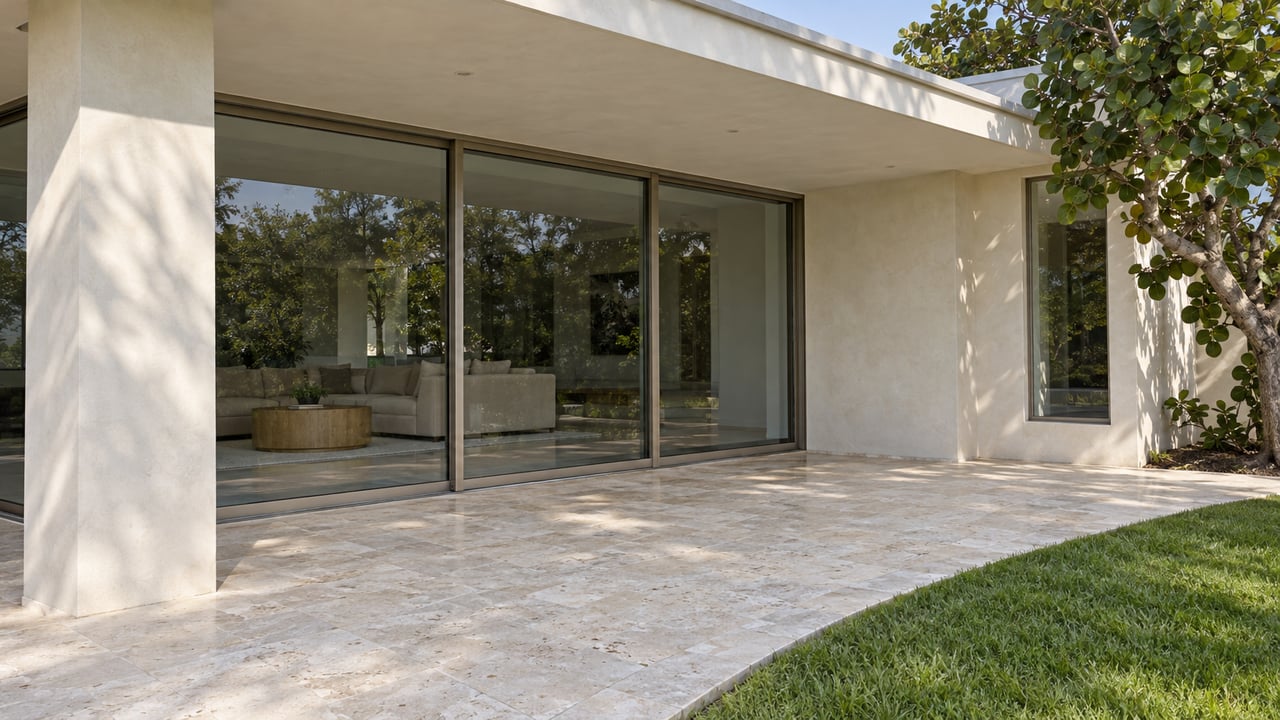
For some buyers, oceanfront is the clear choice. The appeal is direct Atlantic orientation, broad water views, and the classic feel of an estate set along the sand.
Oceanfront parcels usually suit buyers who want a stronger connection to the beach experience itself. If your ideal day starts with a shoreline walk, outdoor entertaining facing the water, or the visual openness of the Atlantic, this side often feels more aligned.
What oceanfront owners often value most
Oceanfront homes on Jupiter Island tend to appeal to buyers who prioritize:
- Open Atlantic views
- Direct beach orientation
- A quieter separation from boating traffic
- A traditional estate-on-the-water setting
The town’s Beach Protection District manages more than eight miles of Atlantic shoreline, and the town describes Jupiter Island as having one of the longest-running beach nourishment programs in the United States. That gives helpful context for what ownership can involve.
The tradeoff: active shoreline management
Oceanfront ownership usually comes with a more hands-on coastal maintenance profile. Martin County notes that nearly all beaches are naturally prone to gradual erosion, and storms can also cause sudden shoreline changes.
The scale of local beach work is significant. The town’s 2024 Jupiter Island Beach Restoration Project called for about 1.2 million cubic yards of beach fill, which shows how active and capital-intensive shoreline management can be in this setting.
Permitting can be more complex
If you are considering renovation, expansion, or a future rebuild, oceanfront conditions can add another layer of review. Florida’s coastal construction control line program is based on the landward reach of damaging effects from a 100-year storm.
In practical terms, that means work near sandy beachfront areas may involve more coastal permitting sensitivity than a typical inland residential project. For buyers thinking in long timelines, that is an important part of diligence.
Intracoastal living on Jupiter Island
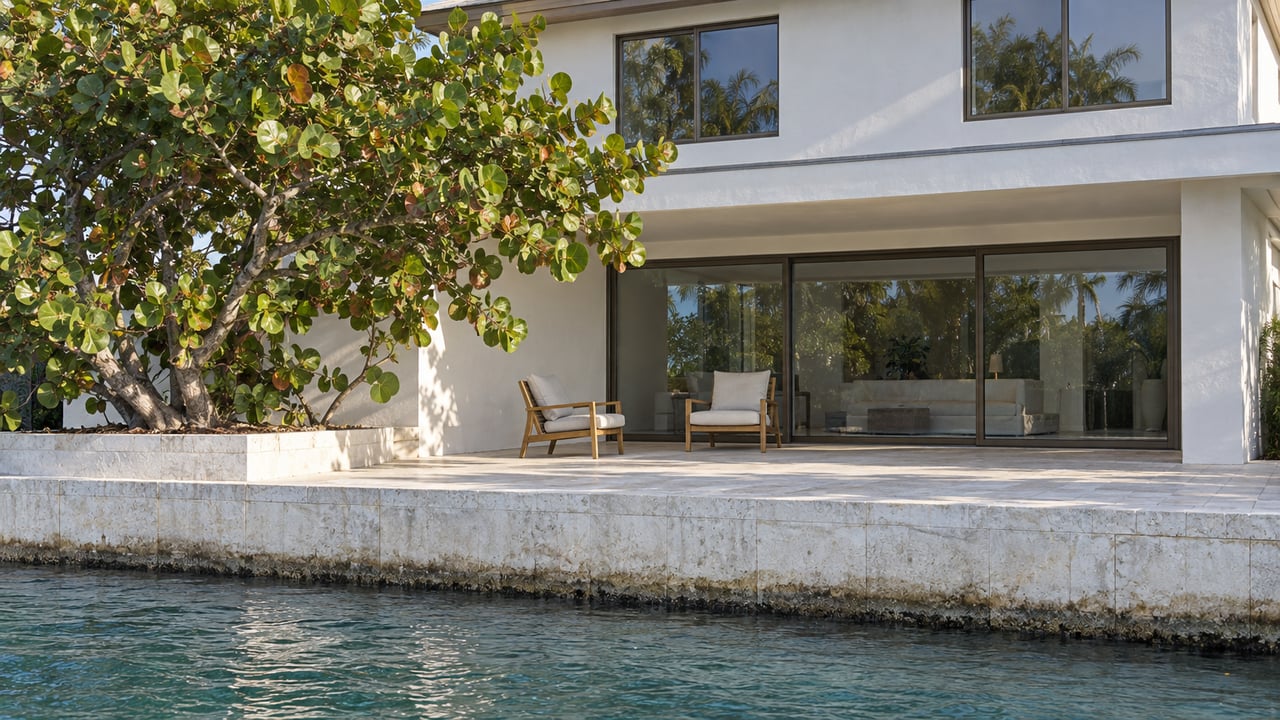
If your lifestyle is built around boating, the Intracoastal side often deserves close attention. West-facing parcels usually align with dock-first living, where the water is part of your daily movement rather than just the backdrop.
Nearby Jupiter’s Riverwalk and Inlet Village materials describe the area as a hub for boating, marinas, public docks, water taxi activity, tour boats, restaurants, and public waterfront access. That local infrastructure helps explain why many marine-oriented buyers focus on the west side.
What Intracoastal owners often value most
Intracoastal-facing homes tend to attract buyers who prioritize:
- Frequent boating and easier departures by water
- Dockside entertaining
- Sunset-facing views
- Proximity to the inlet and marina ecosystem
For households that see the home as a launch point for boating activity, this side can feel more practical and more social. The water experience is often more dynamic, with visible marine traffic and an active waterfront rhythm.
The tradeoff: wakes, docks, and shoreline wear
Intracoastal ownership is not maintenance-free. A U.S. Army Corps project on Jupiter Ridge found that boat wakes significantly eroded shoreline along Intracoastal frontage, and Martin County’s coastal management program includes shoreline protection and waterway maintenance in its mission.
That means the west side may feel calmer than the Atlantic in some ways, but it still carries real waterfront considerations. Depending on the property, dock condition, seawall integrity, wake exposure, and stabilization needs may all play a role.
The inlet adds another layer
The Jupiter Inlet is part of a living navigation system, not a static setting. Florida DEP notes that inlets interrupt natural sand drift, and sand bypassing is used to help keep nearby beaches balanced.
In 2025, the U.S. Army Corps also reported maintenance dredging near Jupiter Inlet and nearby Intracoastal cuts, with dredged material placed on adjacent beaches. For owners, that is a useful reminder that boating convenience here comes with actively managed waterways.
Privacy feels different on each side
Many luxury buyers ask about privacy, but on Jupiter Island the answer often depends on the type of exposure you prefer. Oceanfront and Intracoastal properties each bring a different relationship to the water.
Oceanfront homes may have more visual exposure tied to the beach and surf environment. Intracoastal homes may have more exposure to passing watercraft and dockside activity. The better question is often not which side is more private in the abstract, but which form of visibility best fits your household’s daily rhythm.
How to decide between beach-first and boat-first
For most buyers, this decision becomes clearer once you focus on actual use rather than broad preference. A beautiful waterfront home can still be the wrong fit if it does not support how you plan to live.
Choose oceanfront if you want:
- Open Atlantic views as the main feature
- A beach-oriented setting for daily use and entertaining
- More separation from marine traffic
- A long-term ownership plan that accepts nourishment, dune work, and added coastal permitting
Choose Intracoastal if you want:
- Frequent boating and easier dock access
- A home centered around the marine lifestyle
- Sunset-facing water views and active waterfront scenery
- Direct connection to the inlet, marinas, and boating infrastructure nearby
Key diligence points for both sides
No matter which orientation you prefer, long-term stewardship matters on Jupiter Island. The town notes that Jupiter and the surrounding area are vulnerable to flooding from seasonal rains and hurricanes, so resilience planning should be part of your review on either side.
For buyers comparing properties, a few diligence items stand out:
- Shoreline history
- Beach nourishment cadence, where relevant
- Dock depth and dock condition
- Seawall or shoreline-stabilization status
- Flood exposure
- Renovation and rebuild flexibility
These factors can shape the ownership experience as much as the view itself. They also matter for buyers planning for family use, long-term holding, or legacy ownership.
The right choice is the one that fits your rhythm
On Jupiter Island, the difference between oceanfront and Intracoastal is not simply east versus west. It is a question of whether you want your days shaped more by the beach or by the dock, more by surf and shoreline or by inlet access and marine movement.
For some buyers, the answer is immediate. For others, it takes careful comparison of lifestyle priorities, maintenance tolerance, and long-range plans for the property. In either case, a clear understanding of how each side functions can lead to a better decision and a more durable fit.
If you are evaluating Jupiter Island waterfront options and want discreet, strategic guidance tailored to your priorities, Palm Beach Luxury Portfolio Group can help you assess the tradeoffs with clarity and care.
FAQs
What is the main difference between oceanfront and Intracoastal homes on Jupiter Island?
- The main difference is usually lifestyle use: oceanfront homes are typically better for buyers who want beach-oriented living and open Atlantic views, while Intracoastal homes often suit buyers who prioritize boating, dock access, and proximity to the inlet ecosystem.
Are oceanfront homes on Jupiter Island harder to maintain?
- Oceanfront homes can involve more active shoreline management because local beaches are prone to erosion, storms can change shoreline conditions quickly, and beach nourishment is an ongoing part of the ownership environment.
Are Intracoastal homes on Jupiter Island easier for boating?
- Intracoastal-facing homes are often more appealing for frequent boaters because they support dock-first living and sit closer to the boating, marina, and inlet activity described in nearby Jupiter waterfront materials.
Do Jupiter Island oceanfront homes face more permitting concerns?
- They can, especially for projects near the beach, because Florida’s coastal construction control line program is designed around storm impact risk and can make renovation or rebuild decisions more permit-sensitive.
What should buyers review before choosing a Jupiter Island waterfront home?
- Buyers should closely review shoreline history, nourishment patterns where relevant, dock and seawall condition, flood exposure, and how much flexibility a property offers for future renovation or rebuilding.