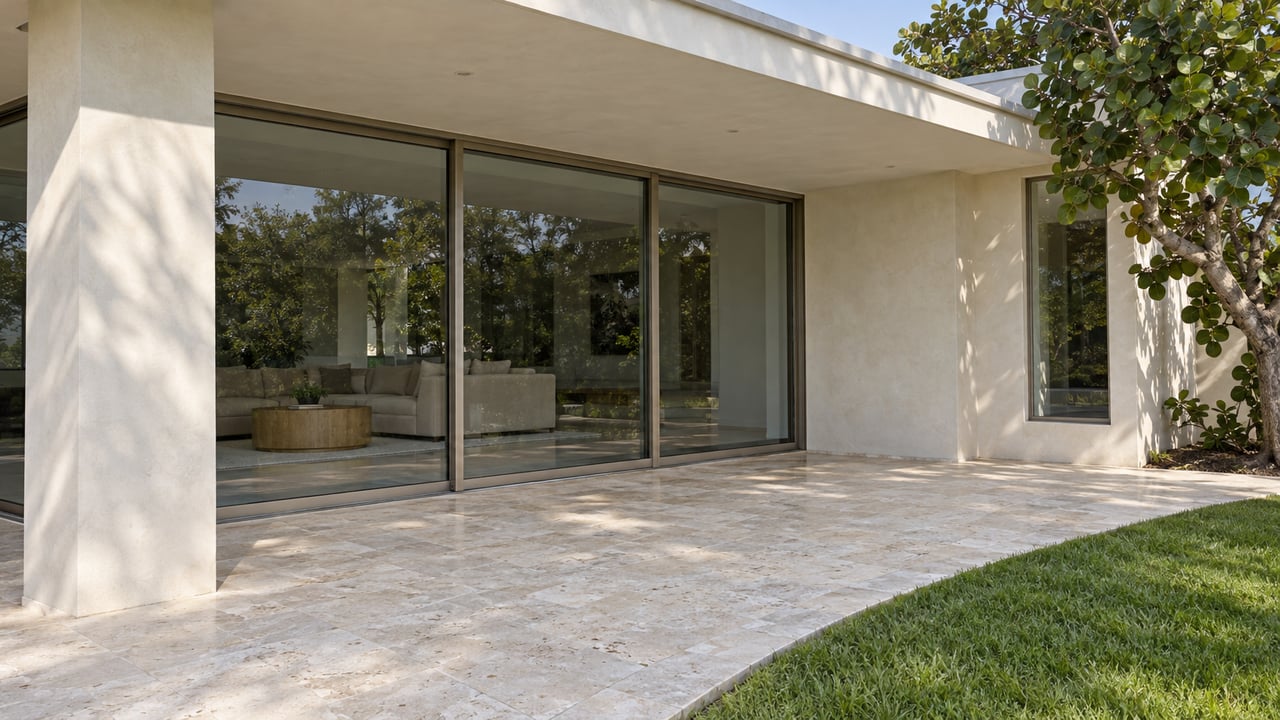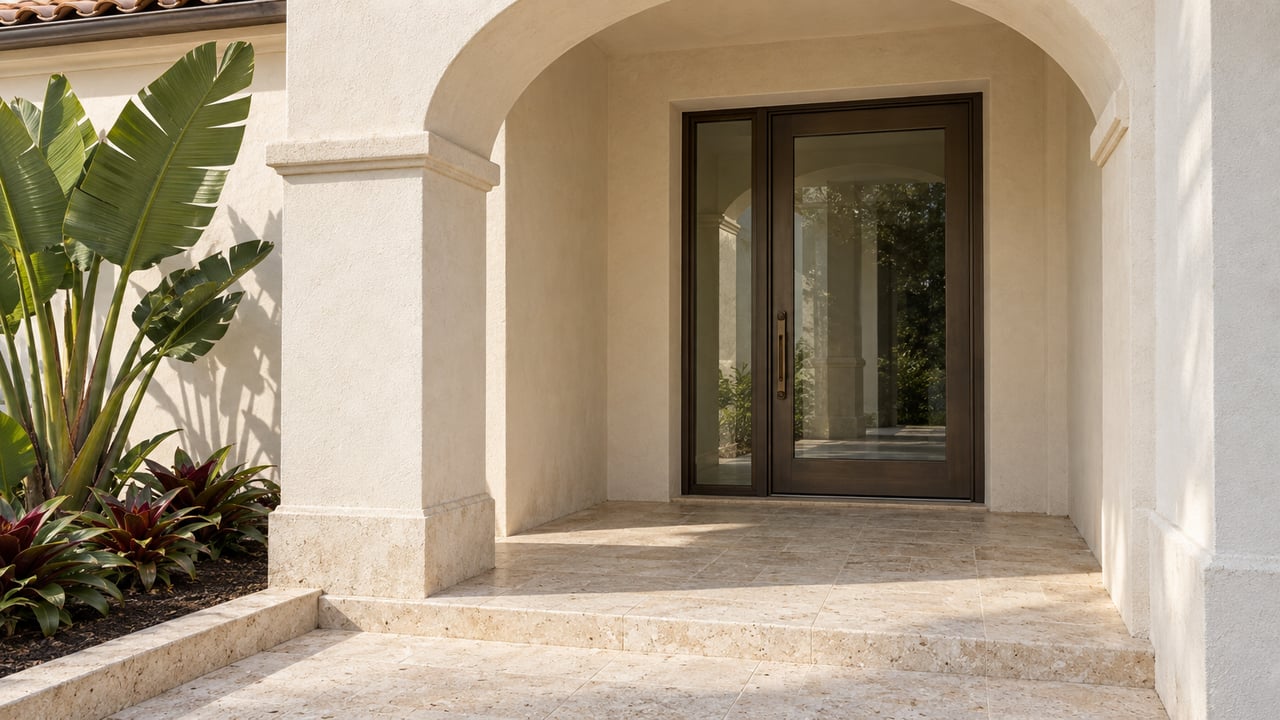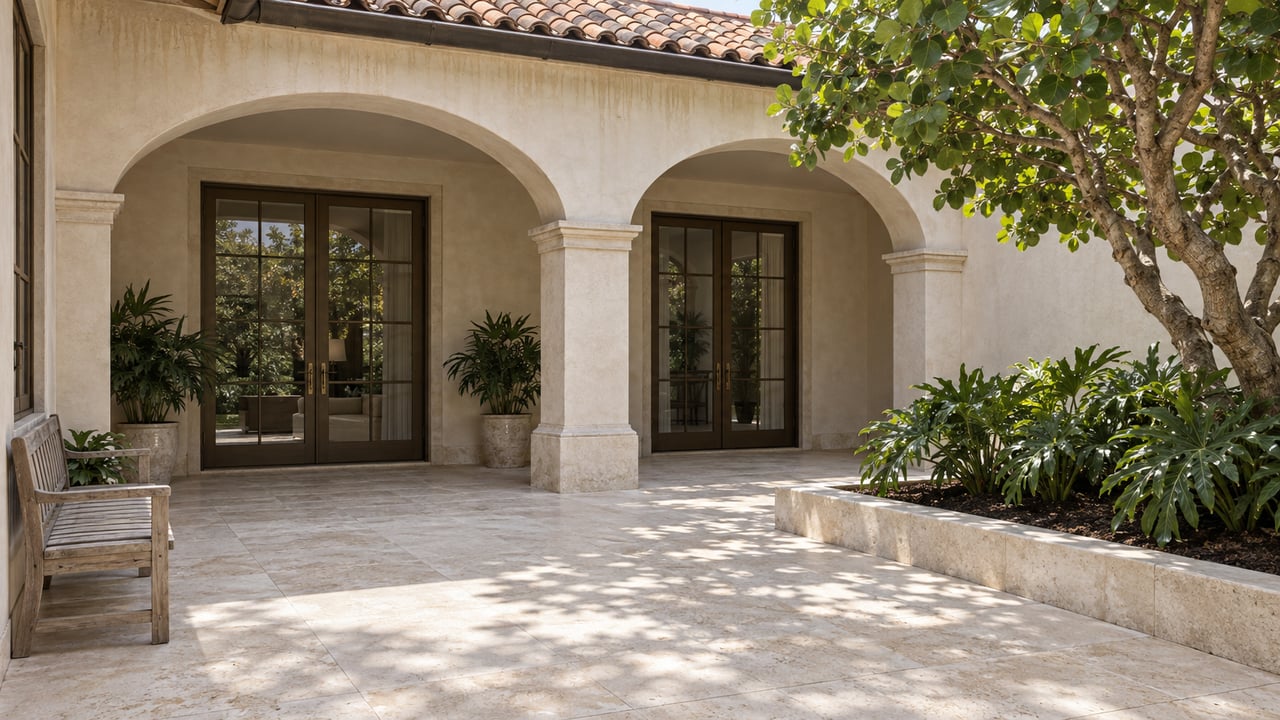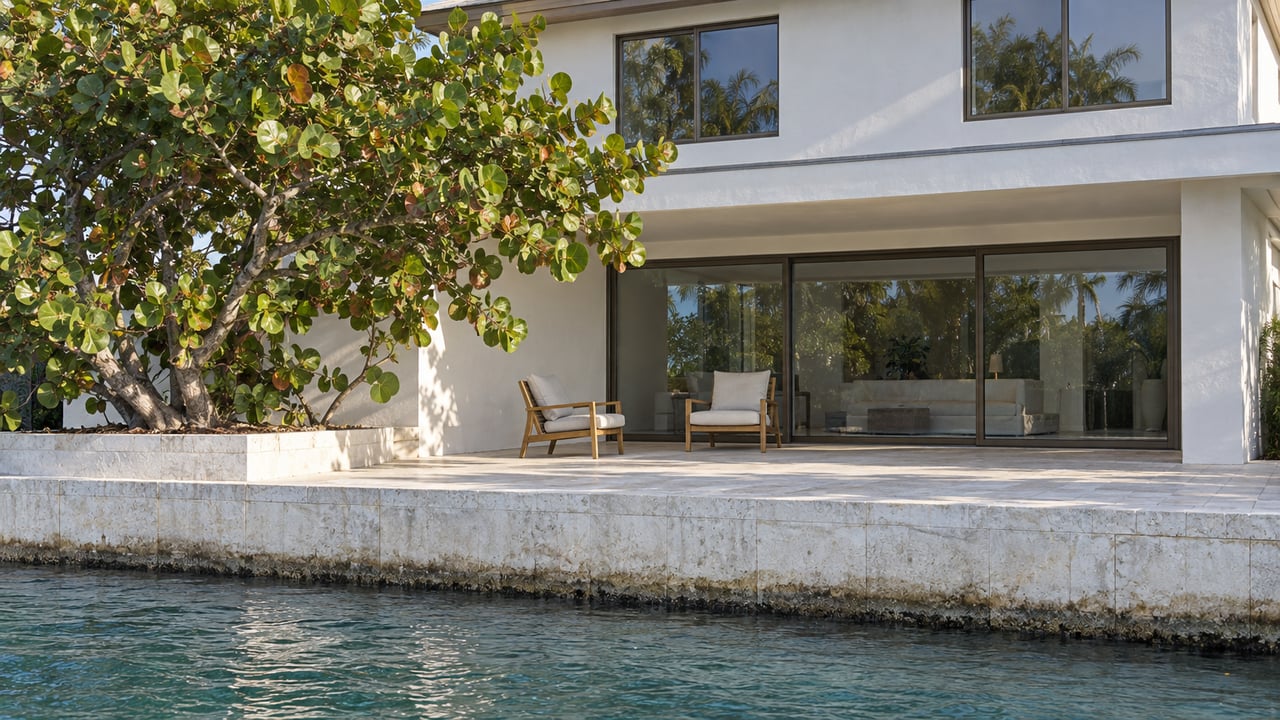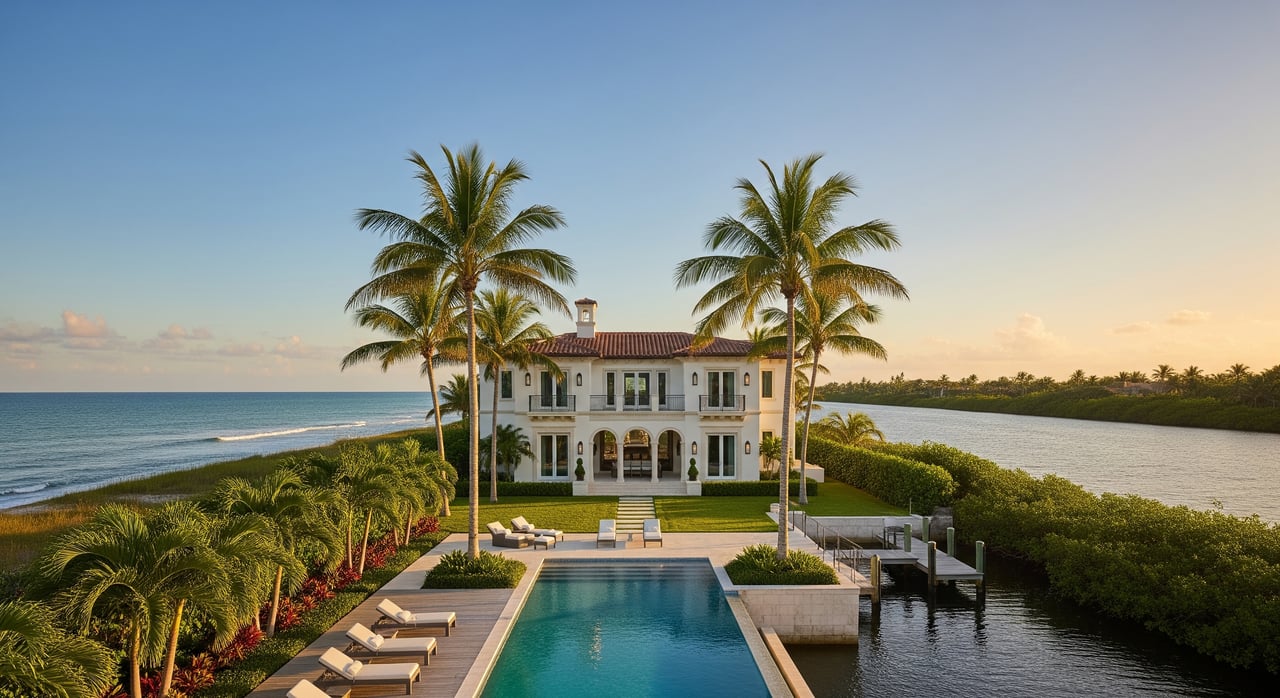
What makes a Manalapan estate feel truly singular is not just the view, but the geography. A small number of parcels here touch the Atlantic Ocean on one side and the Lake Worth Lagoon on the other, giving you private beach access and private dockage in one holding. If you are weighing a legacy acquisition, you want a clear, grounded understanding of why these properties are so scarce, what governs what you can build, and how to approach due diligence. This guide distills the essential considerations so you can move with confidence. Let’s dive in.
Ocean-to-lake defined
In Manalapan, “ocean-to-lake” describes a single parcel, or contiguous parcels under common ownership, with direct frontage on both the Atlantic Ocean and the Lake Worth Lagoon or Intracoastal Waterway. On this narrow barrier island, certain lots span the full width of the landmass.
Key physical traits include dual waterfront exposure, potential for a private dock on the lagoon side, and relatively shallow lot depth due to island width. Many estates also include seawalls on both sides and existing marine improvements.
Why Manalapan stands apart
Manalapan is a small, highly limited municipality south of Palm Beach Island. Because the town’s geography offers only a thin ribbon of land, there are very few parcels that can physically connect ocean and lagoon.
Nearby Hypoluxo Island has isolated opportunities, sometimes by combining adjacent parcels, but availability is rare. In both areas, these homes trade as trophy or legacy holdings rather than as commodity inventory.
Physical realities to plan for
Direct ocean exposure means you are close to Atlantic surf, storm surge, and longshore drift. On the lagoon side, you should expect tidal flows, vessel wakes, and potential shoaling. Both frontages require thoughtful stewardship.
You may inherit existing improvements such as seawalls, dune landscaping, and dockage. Each component has a lifecycle and a maintenance profile that should be reviewed in inspections and budgeting.
Title, littoral, and riparian rights
Two legal frameworks meet on these parcels. Oceanfront ownership confers littoral rights, while lagoon frontage involves riparian rights on a navigable waterway. In Florida, the State holds sovereign submerged lands below the mean high water line under the public trust doctrine.
Your survey and title work should confirm upland boundaries to the mean high water line on both frontages and whether any submerged lands were conveyed or reserved. This affects permitting, rebuild potential, and dock rights.
Coastal rules that shape development
Several regulatory layers influence what you can build or restore and how fast you can do it:
- Florida Department of Environmental Protection Coastal Construction Control Line program regulates structures seaward of the CCCL, influencing setbacks, elevations, and rebuildability on the ocean side.
- U.S. Army Corps of Engineers typically reviews projects affecting navigable waters, including docks and dredging.
- Palm Beach County and the Town of Manalapan oversee building, seawalls, docks, and local environmental resource permits.
- South Florida Water Management District may be involved where surface water or groundwater impacts arise.
- Protected species and seagrass considerations can restrict dredging or dock placement.
The result is a permitting framework that rewards early planning and specialist guidance.
Dockage, channel access, and dredging
If you plan to berth larger vessels, pay close attention to lagoon depth and channel conditions. Dock permits usually require state authorization for use of submerged lands and local approvals for length, configuration, and lifts.
Shoaling can be more pronounced near inlets. Maintenance dredging often requires permits, seasonal timing, and potential mitigation. It can be capital intensive and should be planned as part of long-term ownership.
Seawalls and beach management
Seawalls on the lagoon side, and sometimes on the ocean side, need regular inspection, repair, or replacement. Permit requirements vary by jurisdiction and design, including rip-rap and concrete systems.
Beach renourishment projects can change beach profiles and may come with temporary access or construction impacts. Owners benefit from staying coordinated with municipal programs to protect dune systems and manage vegetation in compliance with rules.
Flood zones and code compliance
Dual-waterfront estates often sit within FEMA V or AE flood zones. New construction and significant renovations must meet elevation standards tied to Base Flood Elevation plus required freeboard.
Florida Building Code adds wind load requirements and limits enclosed spaces below design flood elevation. These factors shape design, placement of mechanical systems, and cost decisions.
Why supply is uniquely limited
Scarcity is a structural condition in Manalapan:
- Physical constraints on a narrow barrier island severely limit the number of parcels with dual frontage.
- Coastal and environmental protections, including CCCL and dune protections, make new lot creation or splits impractical.
- Most feasible parcels were established long ago, and combining holdings today is complex and costly.
- Ownership costs and risk management discourage speculative development, keeping supply functionally tight.
This is why these properties trade as rare collectibles rather than as recurring inventory.
What drives demand and value
Buyers value the privacy, security, and symbolic prestige of continuous ocean-to-lagoon frontage. The lagoon side provides boat-friendly access, while the ocean side offers a private beach and panoramic views. Many owners also plan for compound uses such as guest houses or staff quarters, subject to zoning.
Valuation is shaped by linear waterfront on both sides, quality and depth of ocean views, dockable depth and access, overall lot area, improvement quality, and privacy. Because comparable sales are limited, appraisals often rely on nearby trophy transactions and careful adjustments for unique features.
Carrying costs to underwrite early
Owners should model insurance, taxes, and capital reserves with a long lens:
- Insurance: Windstorm and flood premiums for coastal Florida can be high and change with market conditions and underwriting standards.
- Taxes: Palm Beach County millage rates apply. Second or seasonal homes generally do not receive homestead exemptions, so annual tax bills on high-value estates are significant.
- Maintenance: Seawall cycles, sand and dune care, dock upkeep, and any dredging must be budgeted. These are not one-time items.
- Climate: Sea level rise and coastal erosion may affect insurability and permitting over time. Local adaptation measures, such as renourishment or raised seawalls, help but are costly and sometimes temporary.
Due diligence roadmap
For collectors and family offices, a disciplined diligence process protects outcomes and timelines. Consider the following:
- Define the use case and horizon. Primary residence, legacy holding, or compound planning each drive different risk and design tolerances.
- Confirm privacy and access. Identify any public access points or lateral easements on the beachfront.
- Verify zoning and allowable density. Understand floor area, height limits, and CCCL constraints for replacement or expansion.
- Run a full title search. Confirm submerged land reservations, easements, and tidal boundaries.
- Commission boundary and topo surveys. Tie parcel lines to the mean high water lines on both frontages and map buildable envelopes.
- Evaluate flood exposure. Review current FEMA maps, elevation certificates, and storm surge modeling.
- Complete environmental and coastal reviews. Phase I ESA, seagrass and habitat checks, and wetlands screening where relevant.
- Inspect structures and marine systems. Building components, seawalls, docks, and a bathymetric survey to confirm depths and dredging needs.
- Review permits and compliance. Gather prior seawall, dock, and dredge permits, as-builts, and any code or claim history.
- Confirm utilities and access. Stormwater management, sewer or septic status, water, power, and construction access routes.
- Test insurance and financing. Obtain quotes for wind, flood, and umbrella coverage. Some lenders have specific conditions for V-zone collateral.
- Validate navigation rights. Confirm permitted dock length, dredge history, and anticipated maintenance cycles and costs.
- Check municipal or HOA controls. Identify any deed restrictions or architectural guidelines that affect design and timing.
Negotiation and structure
Transaction structure should reflect the property’s coastal profile. Consider feasibility and environmental contingencies, as-built confirmations, and tidal boundary clarity. Escrows or seller credits can address known seawall or dredge needs.
Family offices often benefit from an operating budget and reserve schedule for coastal maintenance and insurance. Tax planning should reflect Florida property tax rules and, where relevant, strategies for exchanges or estate transfer.
Post-acquisition stewardship
Stewardship preserves enjoyment and value across generations. Plan for:
- Regular seawall and dock inspections with documented maintenance.
- Dune and beach management that aligns with CCCL and local programs.
- Annual insurance reviews to adjust coverage as markets evolve.
- Early engagement with coastal engineers, marine surveyors, and permitting specialists for any modifications.
Summary for decision-makers
Ocean-to-lake estates in Manalapan are rare because the land makes them rare, and the regulatory framework keeps them rare. When you own both shorelines, you gain unmatched lifestyle utility, but you also assume a higher standard of planning and care. The right advisors help you understand boundaries, rebuild options, dock limits, insurance, and long-term stewardship before you commit.
If you are exploring acquisition or repositioning of a Manalapan ocean-to-lake estate, we provide discreet, advisory-first representation tailored to family offices and principals. Start a confidential conversation with the team at Palm Beach Luxury Portfolio Group.
FAQs
What does “ocean-to-lake” mean in Manalapan?
- It describes a single parcel with direct frontage on the Atlantic Ocean and on the Lake Worth Lagoon or Intracoastal, often spanning the island’s full width.
How does the CCCL affect Manalapan oceanfront rebuilding?
- The Coastal Construction Control Line governs design, setbacks, and elevation seaward of the line, so it directly shapes rebuildability and permitting timelines.
What permits are needed for a lagoon-side dock in Manalapan?
- You typically need state authorization for submerged lands, local approvals for design and length, and, in many cases, U.S. Army Corps of Engineers review.
How do shoaling and inlets impact yacht access?
- Shoaling near inlets can reduce depths and require periodic maintenance dredging, which is costly, regulated, and often limited to specific seasonal windows.
What flood zones commonly apply to these estates?
- Many dual-waterfront parcels fall within FEMA V or AE zones, which trigger elevation requirements and make flood insurance a key part of ownership planning.
What drives value for ocean-to-lake estates?
- Linear frontage on both sides, unobstructed ocean views, dockable depth and access, lot size, improvement quality, and privacy tend to set pricing.
What ongoing costs should owners expect beyond taxes?
- Insurance for wind and flood, seawall and dock maintenance, potential dredging, dune and beach care, and capital reserves for marine and structural systems.
How should a family office approach due diligence on these properties?
- Combine title and boundary work tied to mean high water lines, environmental and marine surveys, structural inspections, permit history, and insurance feasibility testing.