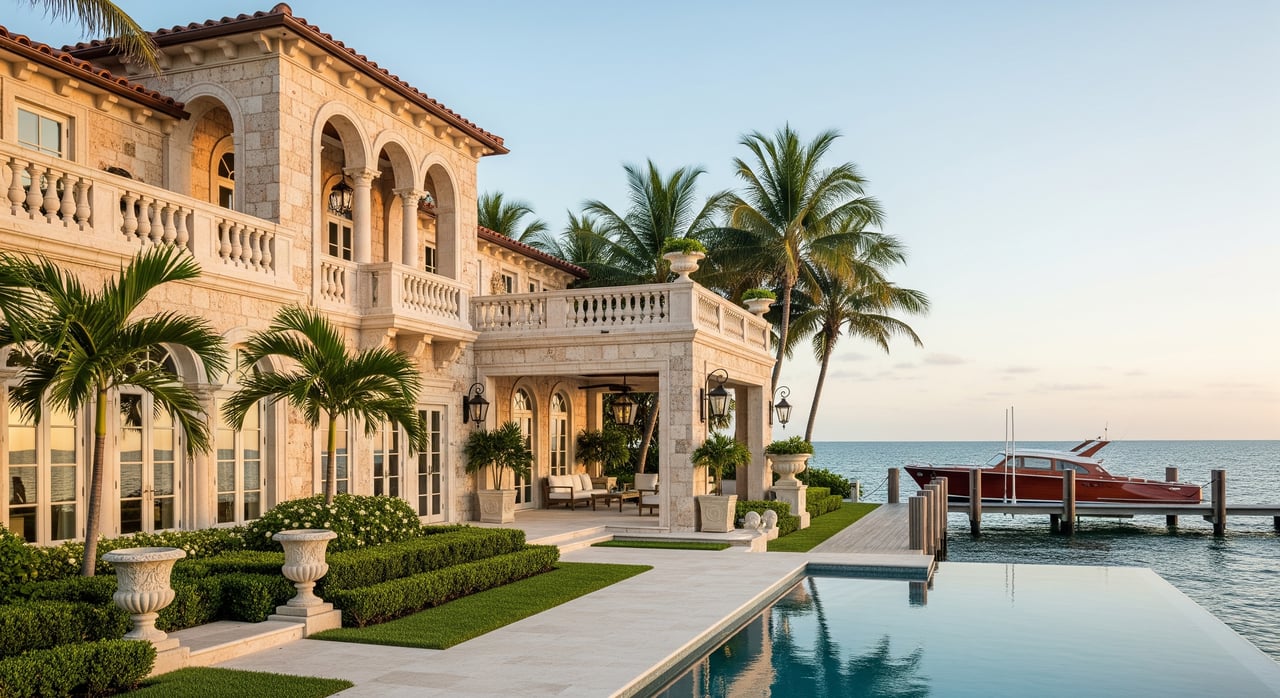
Wondering why trophy properties on Palm Beach Island command persistent premiums, even when broader markets wobble? If you are weighing a purchase or planning a sale, the answer starts with structural scarcity, thoughtful regulation, and a seasonal rhythm that shapes price discovery. This guide distills the essentials so you can time decisions, benchmark value, and focus due diligence where it matters most. Let’s dive in.
Island geography limits supply
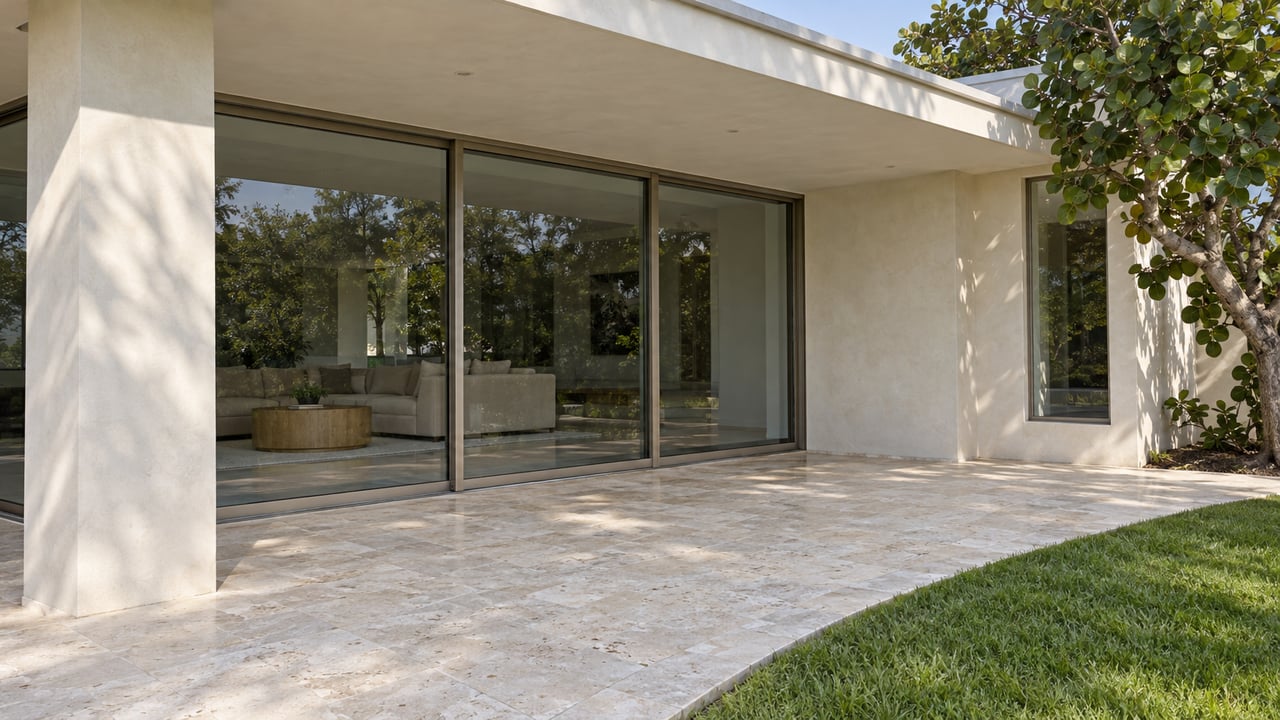
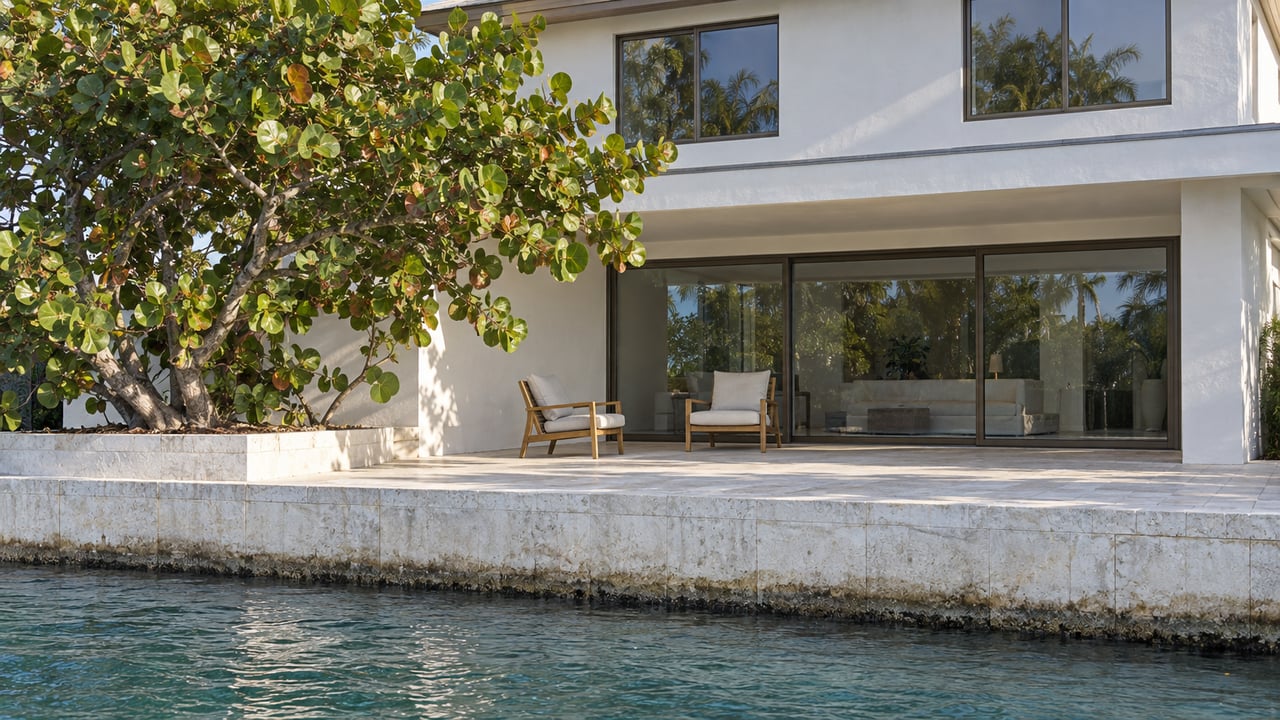
Palm Beach is a narrow barrier island with shorelines on the Atlantic Ocean and the Intracoastal Waterway. The land area is finite, and much of it is already built with estates, historic homes, low to mid-rise condos, and long-standing institutional uses. That physical reality creates a fixed and small set of waterfront lots and large parcels. Raw land is rare.
Most redevelopment takes the form of tear-downs and custom rebuilds on deep, historic lots, not subdivision into many smaller parcels. Subdividing larger holdings is uncommon due to zoning, infrastructure limits, and neighborhood character protections. The result is simple and powerful: limited new supply, steady demand, and durable premiums for exceptional site attributes like oceanfront, Intracoastal frontage with dockage, or proximity to Worth Avenue.
Zoning and preservation maintain scarcity
The Town of Palm Beach enforces Land Development Regulations that set permitted uses, lot coverage, setbacks, and maximum building heights by district. These controls keep density low and preserve a mid- and low-rise character across residential neighborhoods. Height limits and setbacks are applied island-wide.
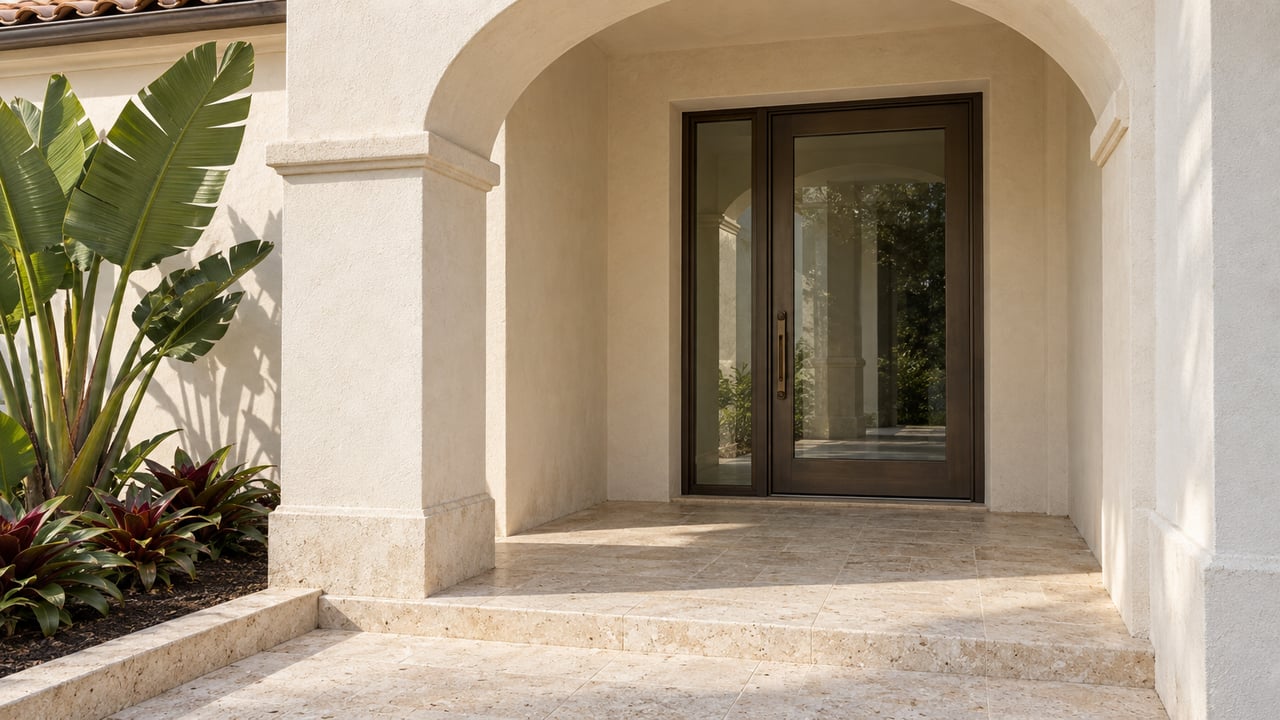
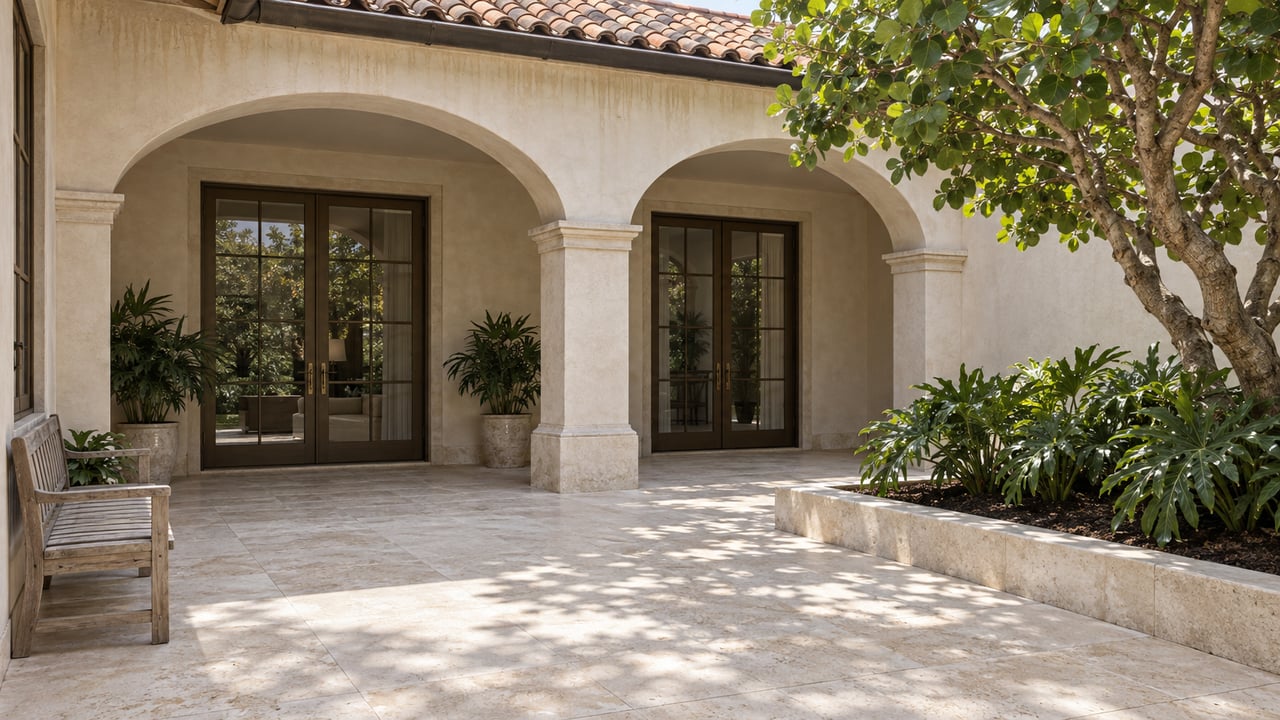
Historic preservation adds another layer. Demolition and exterior changes in designated areas require formal review and approval, which reduces the pace of wholesale replacement. Coastal and environmental rules also shape what is possible. Florida’s Coastal Construction Control Line program, FEMA floodplain requirements, and local stormwater and tree protection codes influence elevation, footprints, seawalls, and timelines. Together, these rules protect the island’s feel and reinforce scarcity.
Inventory mix on the island
Palm Beach’s luxury inventory falls into a few distinct segments:
- Oceanfront estate homes: the highest per-acre values, limited supply, often historic or newly rebuilt modern estates.
- Intracoastal estates: prized for privacy and dockage access, with strong demand from boaters and those who value bayside sunsets.
- Mid-island single-family homes: smaller lots by local standards, but quiet streets and quick access to Worth Avenue draw consistent interest.
- Low and mid-rise luxury condos: oceanfront and Intracoastal buildings with full-service amenities, well suited for lock-and-leave living.
- Off-market and private holdings: a meaningful share of top-tier properties trades quietly through private networks rather than broad public marketing.
In practice, turnover is low. Many homes are seasonal residences held for generations, which means fewer comparable sales and wider dispersion in pricing at the very top. You should expect bespoke valuation work and careful, attribute-level comparisons.
How transactions work at the top
Privacy is a priority on Palm Beach. High-end deals often involve cash buyers, purchases through LLCs or trusts, and discreet introductions. Off-market negotiations are common, and curated broker relationships matter.
New construction does occur, but zoning and permitting constraints make large, multi-lot projects rare. The pipeline for what feels “new” is driven primarily by custom rebuilds and renovations, not significant densification. Luxury condo development happens selectively and typically targets seasonal demand.
If you are entering the market, plan for fewer public comps and more relationship-driven access. Brokers with deep local ties often surface opportunities that never hit broad channels.
Seasonality and timing strategy
Palm Beach has a pronounced social season that typically runs from November through April. During this window, owners are in residence, clubs and cultural institutions are active, and the buyer pool is concentrated. Inventory often increases, and competition for well-positioned properties can intensify, especially for turnkey oceanfront and Intracoastal estates.
Off-season months see fewer in-person showings as many owners travel. Sellers who list in summer may receive less retail exposure, but meaningful deals still happen through broker networks. Buyers may find more negotiating flexibility off-season, though trophy sellers often prefer the visibility and energy of peak season.
Timing is strategic. If you want maximum exposure and potential price competition, list in season. If privacy is paramount, orchestrate a targeted, off-market process off-season, aligned with the island’s social calendar.
Pricing, risks, and due diligence
Pricing on Palm Beach reflects more than square footage. Site specifics, regulatory context, and long-term stewardship costs all matter.
Demand drivers
- Wealth migration and tax advantages draw domestic UHNW buyers to Florida, including Palm Beach.
- Global UHNW interest favors boutique enclaves with privacy, storied properties, and proximity to PBI and international connections.
- Lifestyle attributes, from boating and private clubs to Worth Avenue, add intangible value.
Key risks and cost considerations
- Insurance: Coastal wind and flood insurance costs and availability can materially change carrying costs. Review current premiums, renewal trends, and coverage terms.
- Sea-level rise and resilience: Evaluate elevation, drainage, seawall condition, and potential mitigation needs that may affect value and future capital plans.
- Property taxes and assessments: Confirm current tax obligations and any special assessments tied to resilience or infrastructure.
- Liquidity and comps: Low turnover and privacy in the high end mean sparse comps and less precise price discovery, which raises the value of expert judgment.
Due-diligence checklist
- Title and ownership: Confirm easements, historic covenants, and entity structures, including LLCs or trusts.
- Zoning and permits: Review variances, demolition approvals, and building permits, especially if you plan a major renovation or rebuild.
- Flood and insurance: Obtain elevation certificates, insurance renewal history, and any recent claims.
- Coastal compliance: Verify CCCL status, seawall or revetment condition, and any engineering reports for waterfront properties.
- Environmental and site: Review drainage, tree-preservation obligations, and any outstanding violations.
- Waterfront specifics: Confirm dock and marina permits where applicable.
- Local team: Engage experienced island counsel and a broker who knows preservation boards and town processes.
Strategic takeaways for buyers
- Define the asset you want by site attributes first: oceanfront versus Intracoastal, lot depth, privacy, and proximity to the island’s core.
- Build access early. Off-market introductions and private offerings can be the difference between finding the right fit and waiting a season.
- Align timing to your objectives. If you want choice and visibility, shop and transact in season. If you want leverage and quiet, explore off-season.
- Budget for resilience and insurance. Factor elevation, seawall needs, and policy dynamics into your long-term numbers.
- Allow additional time. Title, entity transfers, association consents, and specialty underwriting can extend closing timelines.
Strategic takeaways for sellers
- Decide on the exposure strategy first. In-season listing can maximize visibility, while discreet off-market outreach can protect privacy and focus on qualified buyers.
- Prepare for diligence. Assemble permits, elevation certificates, insurance summaries, and maintenance records to support a clean process.
- Position by attributes. Lead with site, privacy, water frontage, and architectural significance. The right framing can command a premium.
- Coordinate with the social calendar. Align photography, showings, and private events with peak presence on the island.
- Expect entity buyers. Plan for confidentiality protocols and a closing timeline that accommodates advisors.
Work with a discreet advisor
Palm Beach rewards preparation, timing, and access. Scarcity is structural, regulation is protective, and seasonality is real. Whether you plan to buy or sell, a quiet, advisory-led approach will help you see the full picture and execute with confidence.
If you would like a confidential conversation about strategy, inventory, or timing, connect with the Palm Beach Luxury Portfolio Group. We operate with discretion, local intelligence, and a Worth Avenue presence that opens the right doors.
FAQs
What makes Palm Beach inventory so limited?
- The island’s finite land area, built footprint, and protective zoning preserve low density, which keeps true oceanfront and large parcels inherently scarce.
How do zoning and preservation affect rebuild plans?
- Height limits, setbacks, and historic reviews create multi-stage approvals for major changes, so timelines can be longer and outcomes more constrained.
When is the best time to list a Palm Beach estate?
- Listing during the November to April season maximizes buyer presence and competition, while off-season can suit discreet, targeted negotiations.
Why are off-market deals common on Palm Beach Island?
- Privacy needs and low turnover drive broker-led introductions and quiet marketing, which often surface opportunities before public listing.
What risks should UHNW buyers underwrite on the island?
- Focus on insurance costs and availability, flood elevation and seawall condition, property taxes and assessments, and the limited nature of comps at the top end.
What documents should I request during due diligence?
- Ask for title and entity records, zoning and permit history, elevation certificates, insurance renewals, coastal compliance reports, and any waterfront permits.