If your perfect day starts with a sunrise cast-off and ends with dockside dinner at home, Admirals Cove deserves a close look. Choosing the right property here is about more than views. It is about water depth, slip rules, safe ocean access, and the services that keep your yacht ready to go. In this guide, you will learn how the community works for boaters, what fees to expect, and the exact due diligence to complete before you buy. Let’s dive in.
Why Admirals Cove fits yachters
Admirals Cove is a gated golf and waterfront community in Jupiter with over five miles of private waterway and more than 500 private docks. A protected, full-service marina anchors the boating program, giving you club-level support close to home. The marina sits on the west side of the Intracoastal Waterway near channel marker 21, about 2 miles south of Jupiter Inlet and roughly 8 miles north of Port of Palm Beach, which helps you plan ocean runs and yard visits. You can confirm orientation, facilities, and current contacts on the community’s Marina & Yacht Club page.
Full-service marina highlights
The community highlights a floating fuel dock, pump-out options, a ship store, on-dock Wi‑Fi, and a staffed yacht club that supports boaters throughout the season. The basin has also served historically as a hurricane refuge, which many owners value when planning storm procedures. Marina hours are published as 7:30 a.m. to 5:00 p.m. daily. For slip specifics, transient rules, or waitlist status, reach out to Marina Operations using the contact listed on the marina page.
Slip sizes, fees, and utilities
The community publishes monthly Equity-member berth fees by slip length. Current posted pricing ranges from about $1,702 per month for a 50-foot slip to $7,344 per month for a 140-foot slip. Utility fees are listed by cord type, with examples such as $140 per month for a 30‑amp cord and $280 per month for a 50‑amp cord, and they include water, trash, pump‑outs, Wi‑Fi, and electric service. Treat these as current published figures and confirm the latest rate sheet with Marina Operations before you finalize a budget.
Some third-party directories report different slip counts or maximum lengths. Use the community’s official materials as your baseline, then verify slip dimensions, draft, and availability in writing with Marina Operations. If you need a specific LOA, beam, or power configuration, request confirmation before you remove contingencies.
Navigation and inlet safety
Admirals Cove opens directly to the Intracoastal Waterway with a short run to Jupiter Inlet. That location is ideal for nearshore fishing and coastal cruising, but you should plan around a dynamic inlet. The NOAA Coast Pilot notes that Jupiter Inlet can be hazardous due to shifting sandbars and changing entrances, and it advises local knowledge for safe transits. Tide timing, weather, and season all matter, especially for deeper-draft vessels.
The Jupiter Inlet District manages ongoing sand trap and channel maintenance. You can review how the district monitors dredging and bypass operations on the Jupiter Inlet District site. As part of due diligence, ask for recent hydrographic surveys or soundings for the approach canals and confirm mean low water depths at the specific dock you plan to use.
Ownership, membership, and rules
Admirals Cove offers multiple membership categories, including a defined Marina Member option. Some properties may require a membership while others may not, and privileges vary by category. Review current categories and requirements on the community’s membership information page, and ask the Club for written confirmation of what is required for your purchase.
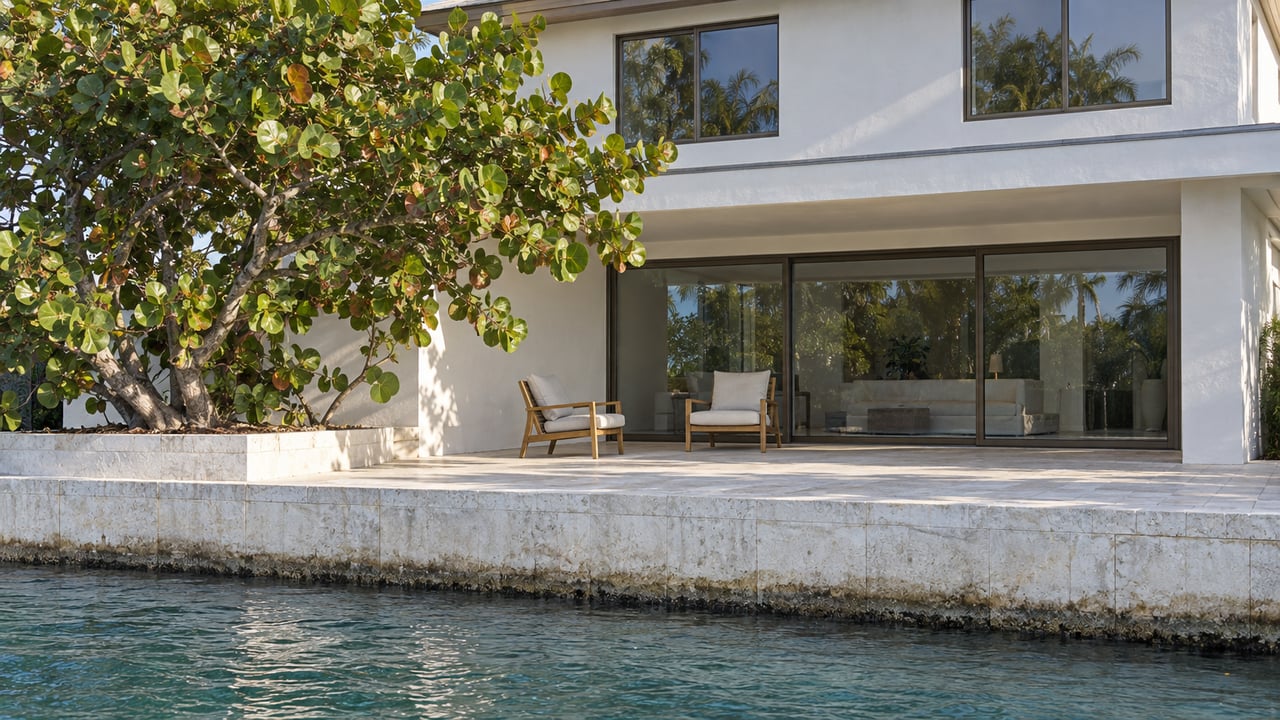
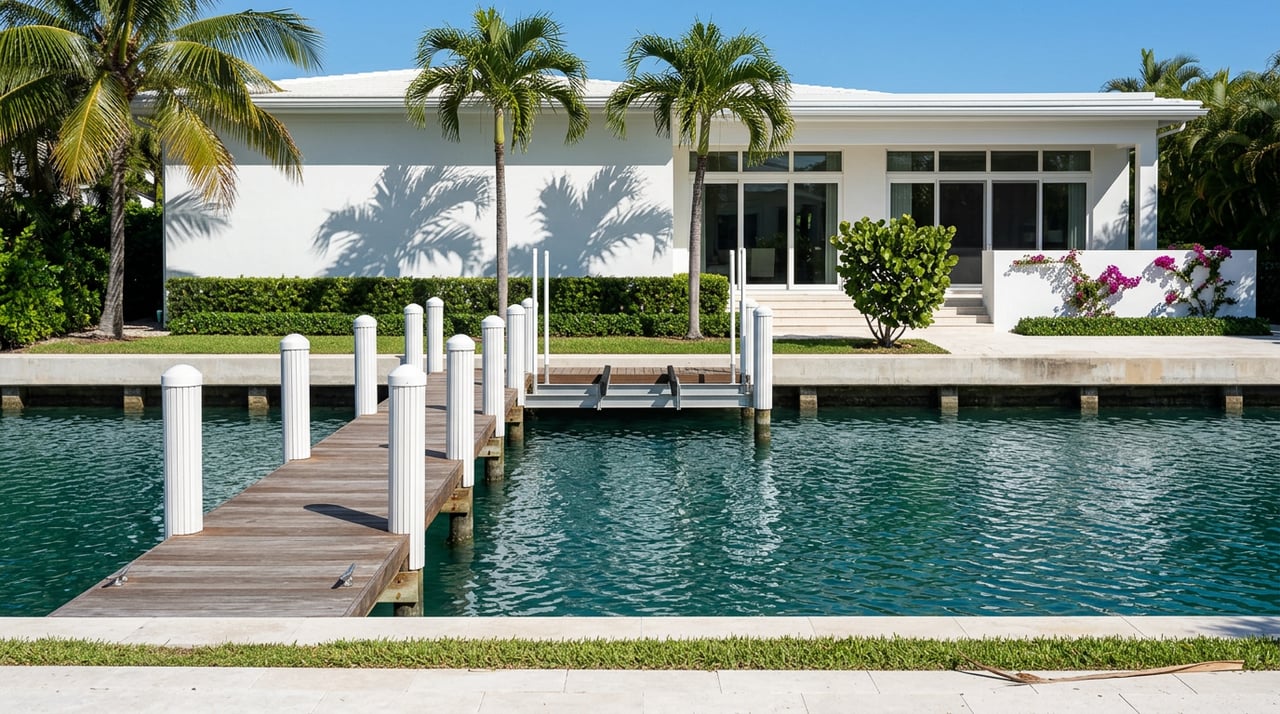
Many homes in Admirals Cove have private residential docks that are associated with the property. These usually convey with the parcel, but you should verify recorded dock rights in title and confirm the exact legal description on a recent survey. The community marina’s floating slips are managed by the Club and can be subject to equity or assignment policies rather than automatic conveyance with a home sale. Request the current marina agreement, slip assignment policy, any transfer fees, and the latest waitlist by size. An HOA or Club estoppel letter will also clarify dues, assessments, and closing requirements.
Inspections and permits you should order
Waterfront due diligence includes the vessel, the dock, and the seawall. If a boat is part of your transaction or you want a baseline condition report, hire an accredited marine surveyor and plan a sea trial. The industry recommends NAMS or SAMS surveyors; you can start your search with BoatUS directories and resources or review what a full condition and value survey covers in this Power & Motoryacht overview.
For the dock and seawall, retain a structural or coastal engineer. Ask for a report on piling integrity and embedment, cross bracing and connections, deck framing, cleats and bollards, fender systems, electrical panels and shore power distribution, any boatlift equipment and capacity, and evidence of scour or bank instability. Request written estimates for any recommended repairs or replacements so you can build a realistic reserve.
Check permit history before you close. Many dock and seawall repairs require state or county approvals. Florida DEP’s public database allows you to search permit records; verify status and any open items using the FDEP permit search. This is especially important if you plan future reconfiguration, a new lift, or material upgrades.
Operating costs and insurance
Waterfront carrying costs vary by vessel size, slip type, and your preferred membership category. Model the following before you write an offer:
- Club initiation or transfer fees and monthly dues, by membership type.
- Published berth and utility fees for the marina, verified for your slip length and power needs.
- Homeowner association dues and any special assessments.
- Flood and wind insurance premiums.
- Seawall and dock maintenance reserves.
- Travel and haul-out costs if you plan to use out-of-area yards.
Confirm the property’s FEMA flood zone and review or obtain an Elevation Certificate if required. The FEMA Map Service Center is the official source for maps and Letters of Map Change or Amendment. Accurate elevation data will shape insurance quotes and may influence your long-term cost profile.
Local service ecosystem
Admirals Cove owners have access to a strong marine services market in Palm Beach County. For larger refit or heavy maintenance, Rybovich in West Palm Beach and Riviera Beach is a well-known regional facility used by large owners. You can review capabilities and contact details on Noonsite’s page for Rybovich. Area marinas and boatyards in Jupiter, Palm Beach Gardens, Riviera Beach, and nearby Stuart offer haul-out and repair options for a wide range of vessel sizes. If you run a larger yacht, identify your preferred yard and typical in-season lead times early.
At-a-glance facts
- Setting: Gated golf and waterfront community in Jupiter with private canals and a protected, full-service marina.
- Waterway access: Marina basin west of the ICW near marker 21, about 2 miles to Jupiter Inlet and 8 miles to Port of Palm Beach.
- Facilities: Floating fuel dock, pump-out options, ship store, on-dock Wi‑Fi, staffed yacht club; hours published as 7:30 a.m. to 5:00 p.m. daily.
- Fees: Equity-member berth fees published by slip length, plus monthly utility fees by power cord type. Confirm all current rates with Marina Operations.
- Safety note: Jupiter Inlet is dynamic. Use local knowledge and check recent surveys.
Due diligence checklist for yachting buyers
Use this checklist with the seller, HOA, Club, Marina Operations, and your surveyors:
Dock or slip provenance
- Is the dock or slip deeded with the parcel, or is it a license or assignment from the Club? Request recorded documents and a recent survey with the dock’s legal description.
Depth, dimensions, and electrical
- Confirm measured depths at mean low water at the dock face and along the access canal. Ask for recent soundings or a hydrographic survey.
- Verify max LOA, beam, and draft for your dock or intended marina slip, and check for any overhead obstructions or fixed bridges on your route.
- Document shore power details: amperage, voltage, phase, GFCI protection, metering, and billing. Confirm availability of 3‑phase or 480V for larger craft.
Marina rules and availability
- Do marina slips convey with the home? If not, clarify the process, timing, and fees to obtain or transfer a slip. Ask about waitlists by size.
- Review guest docking, transient rules, and any limits on boat or slip rentals.
- Request the Club’s current hurricane plan for vessels in the basin and any storm-related restrictions.
Maintenance, capital, and reserves
- Ask for HOA and Club reserve studies and recent minutes that mention seawalls, docks, or marina infrastructure. Check for planned assessments.
- Request recent engineering reports and copies of any permits for dock or seawall work.
Survey and professional inspections
- Commission a NAMS or SAMS marine surveyor for your vessel, including a sea trial; consider a specialized engine inspection.
- Hire a structural or coastal engineer for the private dock and seawall. Obtain written cost estimates for any repairs.
Regulatory and environmental checks
- Verify FDEP and USACE permit status for past or planned dock and seawall work and ask whether local environmental protections could affect future permits.
- Confirm FEMA flood zone, request an Elevation Certificate if needed, and get insurance quotes early.
Local logistics
- Identify your preferred haul-out yard by size and capability, and ask about in-season lead times.
- Confirm provisioning options, chandlery sources, and whether in-slip services meet your standards.
The bottom line
Admirals Cove pairs club living with true on-water convenience. If you validate water depths, confirm slip rights and fees in writing, and line up the right inspections, you can move in with confidence and enjoy a yacht-ready lifestyle from day one. When you want discreet, end-to-end guidance on property selection, marina interfaces, and legacy-level decisions, connect with the Palm Beach Luxury Portfolio Group. Let’s start a conversation in confidence and on your timeline.
FAQs
How close is Admirals Cove to the ocean, and what should I know about Jupiter Inlet?
- Admirals Cove sits about 2 miles south of Jupiter Inlet via the ICW; the inlet is dynamic with shifting sandbars, so plan transits with local knowledge and tide awareness.
What slip sizes and monthly fees should I expect at the Admirals Cove marina?
- The community publishes Equity-member berth fees by length, with recent examples from about $1,702 per month for 50 feet to $7,344 for 140 feet, plus utility fees by cord type; confirm the latest rates and availability with Marina Operations.
Do marina slips convey with a home purchase in Admirals Cove?
- Private residential docks often convey with the parcel, but marina slips are managed by the Club and may be equity or assignment based; request the current marina agreement, slip transfer policy, and an HOA or Club estoppel letter.
What inspections should I order for a waterfront home with a dock in Admirals Cove?
- Hire an accredited marine surveyor for any vessel, retain a structural or coastal engineer for the dock and seawall, and have a marine electrician verify shore power capacity, protection, and metering.
Is the Admirals Cove marina considered a safe place to keep a boat during storms?
- The community notes the basin’s historical use as a hurricane refuge, but you should request the Club’s current hurricane policy and any storm procedures or restrictions before you rely on that plan.