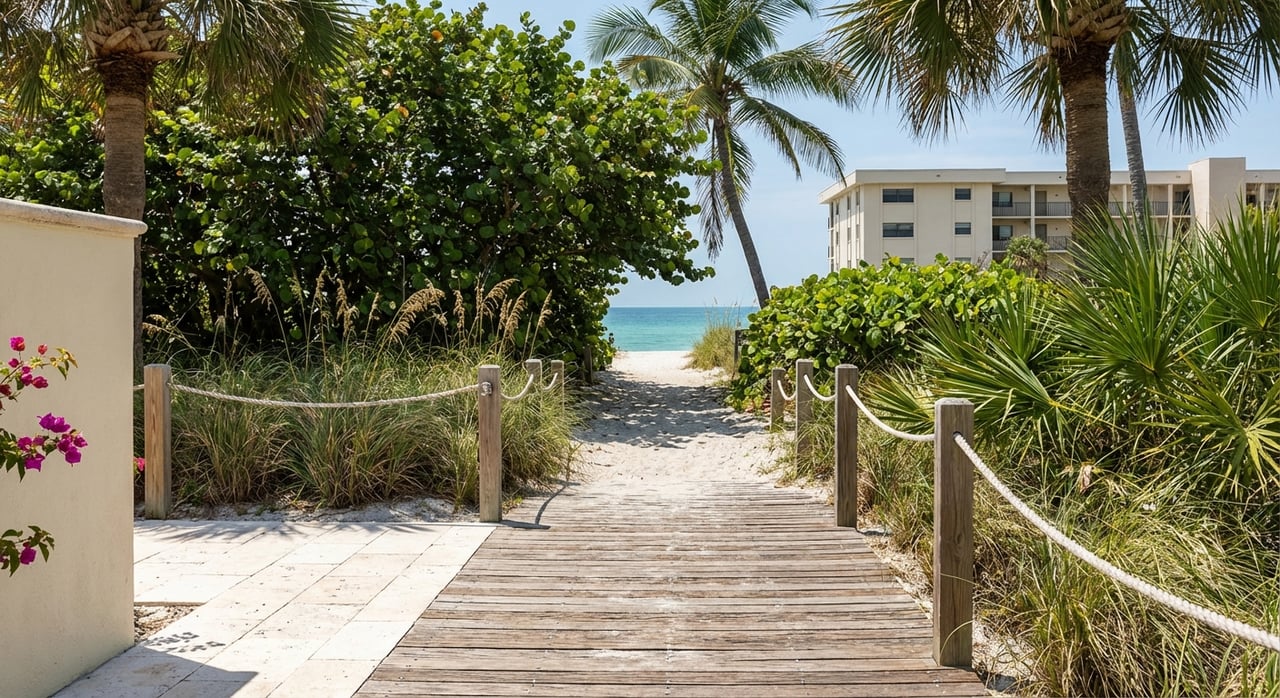
Looking for a beach address that feels peaceful and personal rather than flashy? If you value morning walks to the sand, sea‑life encounters, and a relaxed, low‑rise shoreline, Juno Beach belongs on your short list. You also want practical clarity on costs, access, and what to expect from a small coastal market. Below, you’ll find a clear look at Juno Beach’s lifestyle, housing mix, market signals, and a checklist to help you buy wisely. Let’s dive in.
Juno Beach at a glance
Juno Beach is a small barrier‑island town in northern Palm Beach County with about 3,858 residents at the 2020 Census. It reads as intimate and mostly residential, with a compact town center, parks, and easy beach access. You can confirm the town snapshot through the official site and census resources like Wikipedia’s Juno Beach overview and the Town of Juno Beach website.
Natural assets and easy beach access
The town’s shoreline is the star. Juno Beach Park and the Juno Beach Pier anchor public access, with lifeguarded areas, fishing, and a small Pier House for basics. For simple, walkable ocean time without resort‑scale bustle, these features are a real draw. You can see park and pier details on the Town’s parks page.
Juno Beach also carries a conservation identity. The Loggerhead Marinelife Center in Loggerhead Park is a respected sea turtle research, rehabilitation, and education hub that offers year‑round programs and guided experiences. Juno’s shoreline is regionally notable for sea‑turtle nesting, which adds depth and meaning to everyday life here.
Nature weaves through the town beyond the beach. The Juno Dunes Natural Area and Pelican Lake create a quieter, greener setting that supports the town’s low‑key rhythm. For many second‑home owners, the combination of a walkable pier, protected dunes, and a science‑minded marine center is exactly the experience they want to share with family and guests.
Low‑rise coastal living
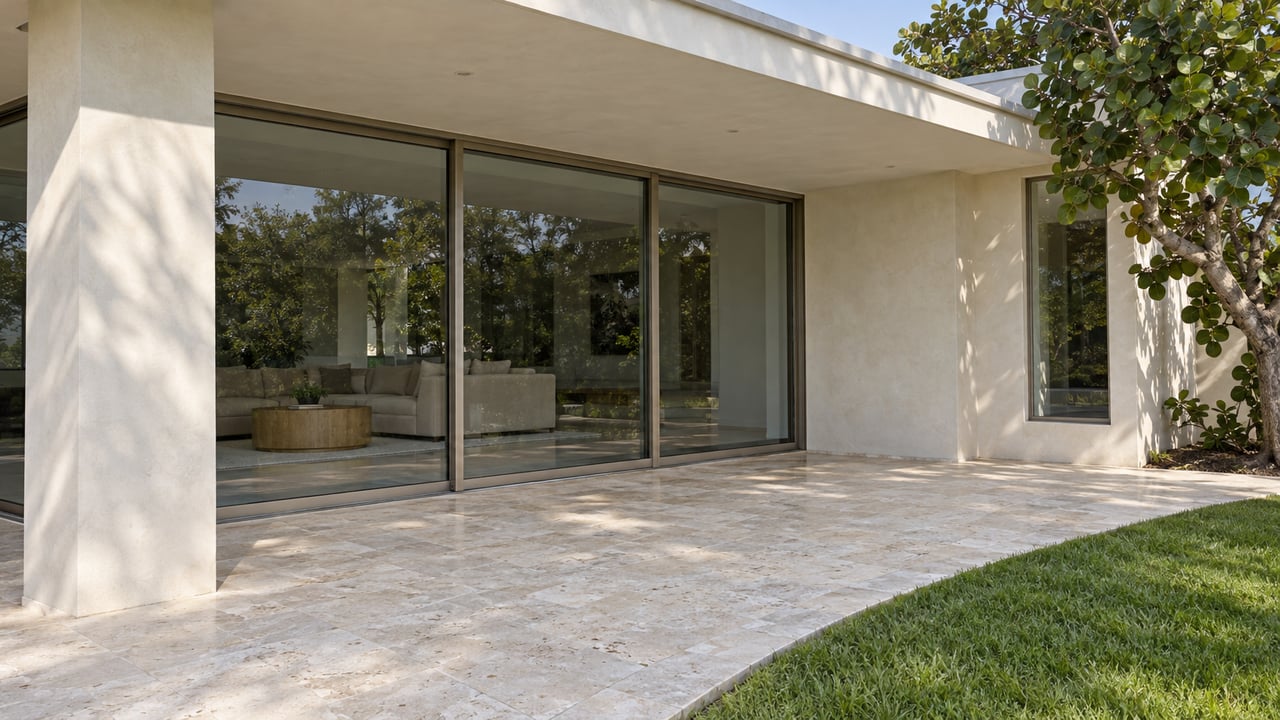
What you feel on the ground in Juno Beach is a low‑density, low‑rise environment. Oceanfront single‑family homes, townhouses, and modest‑scale condo buildings keep sightlines open and the neighborhood vibe calm. That is part of the town’s appeal for buyers who prefer intimacy over spectacle.
It is worth noting that zoning allowances can vary by district. The town’s planning materials outline a comprehensive plan and implementation notes for specific areas. If you are interested in heights and future context, review the Comprehensive Development Plan and the town’s Live Local Act guidance. Day to day, most residents and visitors experience Juno Beach as a low‑rise, beach‑oriented town.
Connections without the spotlight
Juno Beach sits close to the places you may want for dining, shopping, golf, and travel without taking on a marquee address. Jupiter is roughly 5 miles, or about 10 minutes by car, which makes waterfront dining and inlet access easy. See a simple distance reference from Trippy’s Jupiter to Juno Beach page.
Palm Beach Gardens is about 10 miles, or roughly 20 minutes, and serves as the area’s go‑to for higher‑end shopping and restaurants. For a quick orientation, check the distance estimate to Palm Beach Gardens and a round‑up of area highlights like The Gardens Mall, Downtown at the Gardens, and PGA National in this Palm Beach Gardens guide.
Air access is straightforward. Palm Beach International Airport (PBI) is roughly 19 miles from Juno Beach, often 25 to 35 minutes depending on traffic, per Travelmath’s Juno Beach to PBI reference. For seasonal owners who come and go frequently, that proximity matters.
What you will find in housing
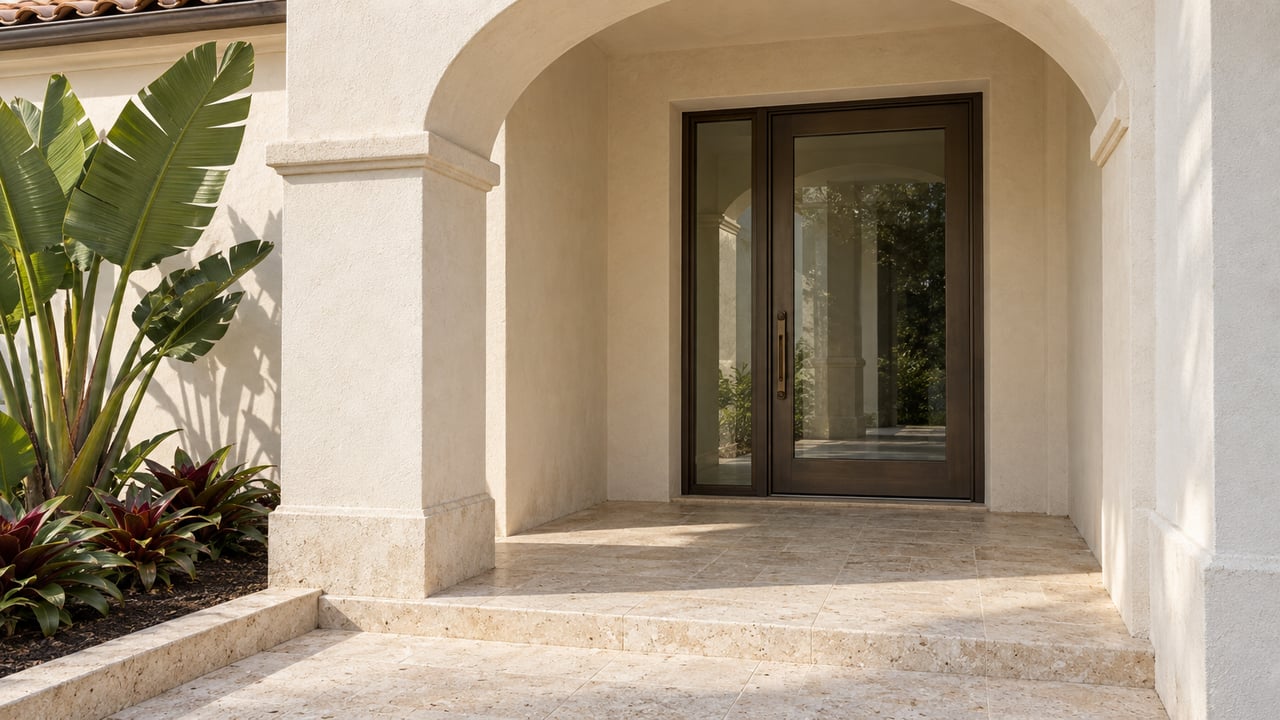
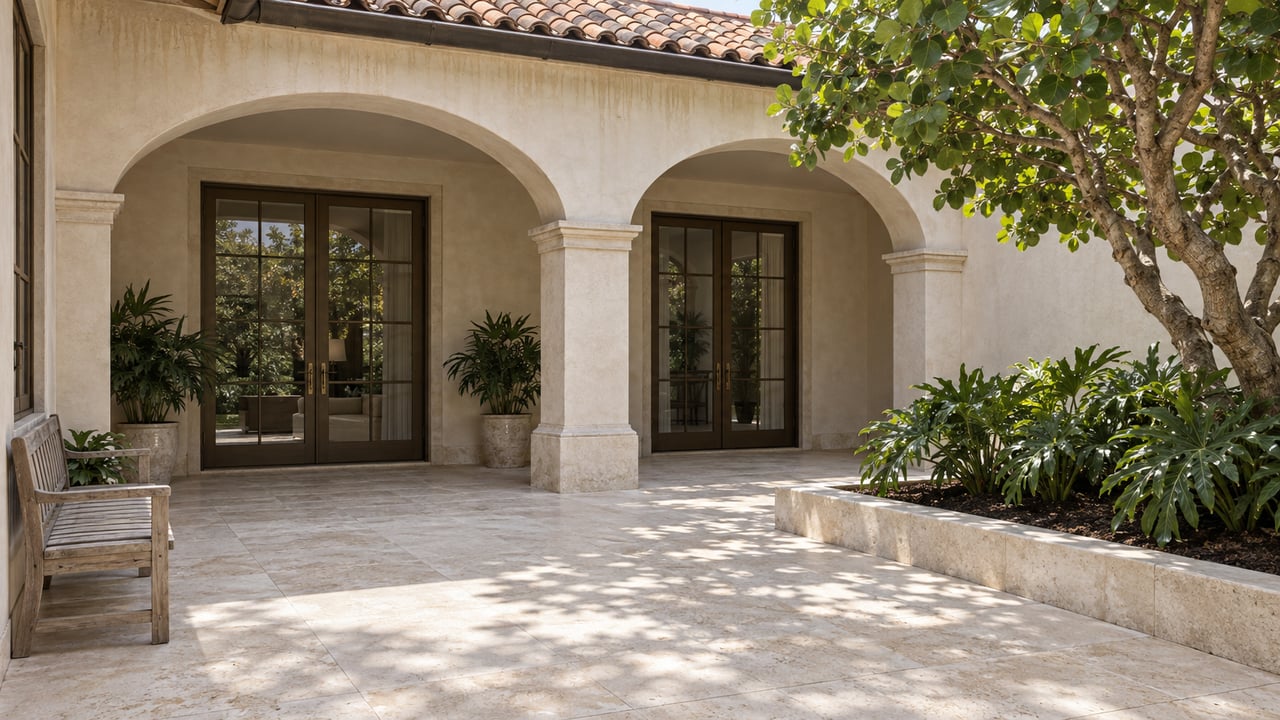
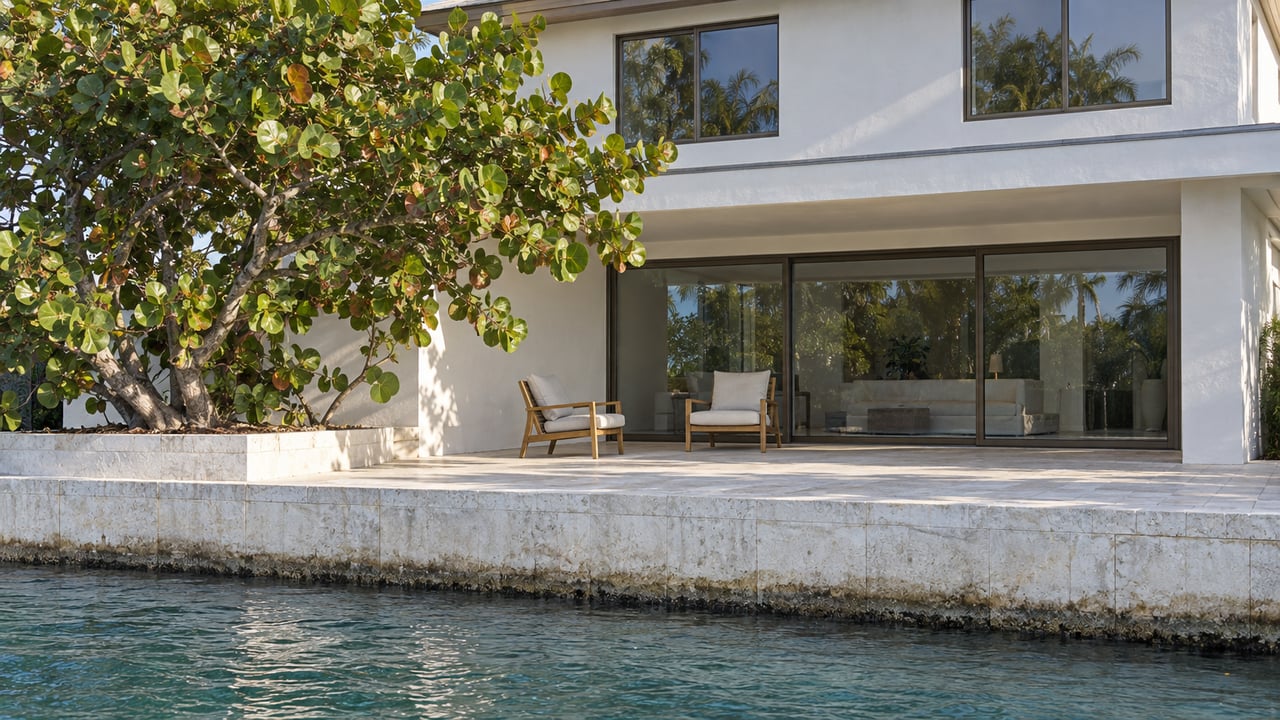
Expect a balanced mix: oceanfront single‑family homes, low‑rise condos steps from the sand, townhomes, and pockets of mid‑century cottages on inland streets. Many second‑home owners like the lock‑and‑leave ease of a condo or townhouse near the beach. Others prefer a small oceanfront estate for more privacy and outdoor space.
The physical scale is the common thread. Buildings tend to be modest in height compared with resort corridors elsewhere in South Florida. That helps keep sunlight on the streets and paths, preserves breezes, and supports a quieter residential feel.
Market snapshot and reading the signals
Juno Beach is a small market, so a handful of sales can swing the data in any given month. Vendor snapshots illustrate the range when you compare different methodologies. For example, one source reported a median sale price near 675,000 dollars in January 2026, while another showed a typical home value estimate around 785,000 dollars for December 2025. Listing portals sometimes reflect a higher median listing price above 1 million dollars, which often comes from a thin set of premium oceanfront listings. Always note the vendor and date, and treat medians as directional rather than absolute.
Inventory is also limited and can be seasonal. You may see periods with very few listings followed by a stretch with several compelling options. If you want a specific line of sight to off‑market or soon‑to‑market opportunities, work with an advisor who tracks the micro‑inventory and timing in this pocket.
Ownership costs that favor Juno Beach
Two local realities stand out for second‑home math:
Municipal millage: Juno Beach’s municipal rate has been reported around 1.82 dollars per 1,000 dollars of taxable value in county comparisons. That is one line item on your total tax bill, which also includes county, school, and special district millages. For context, see coverage summarizing municipal millage comparisons in Palm Beach County through this archived local report.
Flood program advantage: The Town of Juno Beach participates in FEMA’s Community Rating System and is listed as a CRS Class 5 community. That typically corresponds to about a 25 percent discount on NFIP flood insurance premiums for properties in mapped Special Flood Hazard Areas. You can review the town’s flood resources on the Juno Beach flood information page.
Practical due‑diligence checklist
Use this short list to confirm the realities that often make or break a second‑home decision:
Flood zone and elevation. Pull the property’s FEMA flood map panel, confirm elevation, and ask for a written flood premium estimate early. Start with the town’s floodplain resources and FEMA’s homeowner guidance on flood maps and risk.
Homeowners and wind insurance. Florida’s insurance market has been volatile in recent years, which affects premiums and availability. Obtain current quotes, review hurricane deductibles, and ask how market reforms may influence rates. For background, see the state regulator’s recent insurance press update.
Short‑term rental rules. If seasonal renting is part of your plan, verify municipal ordinances and any county requirements, then review HOA or condo documents for minimum lease terms and licensing needs. The Town site is your starting point for code links and contacts at juno-beach.fl.us.
HOA and condo health. Review association budgets, reserve studies, and master insurance policies. Ask about pending assessments, elevator maintenance where applicable, and rental policies that can affect flexibility.
Access and services. Confirm parking counts, storage, and contractor availability for coastal maintenance like roofs, shutters, or seawalls. The town’s FAQs and permitting pages outline processes and contacts.
Property taxes. Your total bill is the sum of municipal, county, school, and special districts. Use parcel‑level estimates from the property appraiser and the county millage roll, and keep the municipal rate in context with the countywide millage comparisons.
Is Juno Beach right for you?
Choose Juno Beach if you want everyday beach walks, a conservation‑minded shoreline, and a calm, low‑rise setting that is minutes from Jupiter’s dining and Palm Beach Gardens’ shopping and golf. The market is small, so patience and timing matter, but ownership here rewards you with simple access and everyday nature. If you prefer a marquee address with constant activity, you may look to other nearby hubs. If you prefer sunrises, dunes, and a quieter rhythm, Juno Beach fits well.
If Juno Beach is on your radar, we can help you map the right options, verify the cost picture, and surface on‑ and off‑market opportunities discreetly. Start a confidential conversation with the Palm Beach Luxury Portfolio Group.
FAQs
What makes Juno Beach different from nearby Jupiter or Palm Beach?
- Juno Beach offers a quieter, low‑rise residential feel with walkable beach access and conservation touchpoints, while you remain close to Jupiter’s dining and Palm Beach Gardens’ shopping and golf.
How close is Juno Beach to airports and major shopping?
- Palm Beach International Airport is roughly 19 miles, often 25 to 35 minutes by car, and The Gardens Mall, Downtown at the Gardens, and PGA National are about 10 miles away in Palm Beach Gardens.
Are there many high‑rise buildings in Juno Beach?
- The prevailing character is low‑rise and beach oriented; zoning allowances vary by district, but most neighborhoods present as modest‑scale homes and condo buildings rather than tall towers.
What does Juno Beach’s CRS Class 5 mean for flood insurance?
- A CRS Class 5 rating generally translates to about a 25 percent discount on NFIP premiums for properties in mapped Special Flood Hazard Areas, which can meaningfully reduce ownership costs.
What price range should I expect for a second home?
- Vendor snapshots vary: one source showed a median sale price near 675,000 dollars in January 2026, another a typical home value near 785,000 dollars in December 2025, and some listing medians above 1 million dollars; treat all figures as directional and date specific.
Can I rent my Juno Beach home seasonally?
- Possibly, but rules vary; confirm the town’s ordinances and your HOA or condo documents for lease terms, licensing, and any county requirements before you count on rental income.